


What is Load Testing?
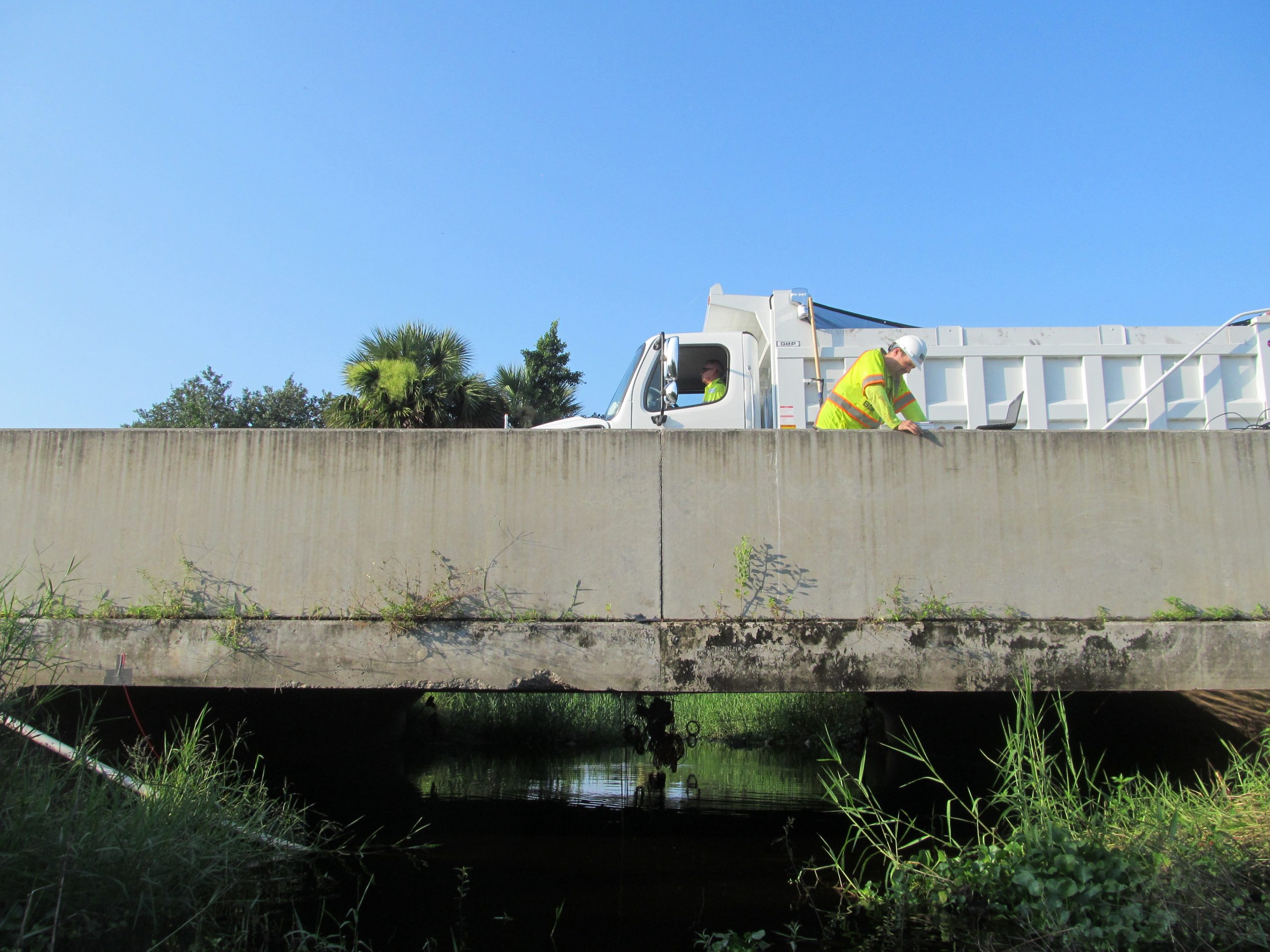
Load testing involves collecting structural responses from a structure under a known, controlled applied load. The load responses can provide insight into the behavior of the structure, help identify and quantify key structural parameters, and can be used as the basis of a refined evaluation of the structure.
Did you know the diagnostic load testing is permitted in AASHTO Manual for Bridge Evaluation Section 8 (Nondestructive load testing)? BDI's own co-founder and Senior Vice President Brett Commander and Vice President Nathan Dubbs were included on a panel of load testing experts to revise and update this section. Give us a call today to learn more!
Bridge Load Testing
BDI is known throughout the industry as a leader and pioneer for diagnostic bridge load testing. We deploy our in-house manufactured specialized testing system to measure the structural responses while a heavy vehicle of known weight/dimensions crosses the structure without other traffic present. BDI specializes in diagnostic level load tests, which use an operating load to safely evaluate bridge behavior, and extrapolate responses for heavier design, legal and permit loads. BDI also has experience with proof level load testing of bridges based on a variety of codes and methods.
Load Testing for Buildings and Other Structures
The general methodologies used for diagnostic-level and proof-level load testing of bridges can also be applied to other structures. To better understand a structure’s behavior under applied load, BDI works with the client to develop and execute a testing plan targeted to provide answers to their structural concerns.

What We Measure?
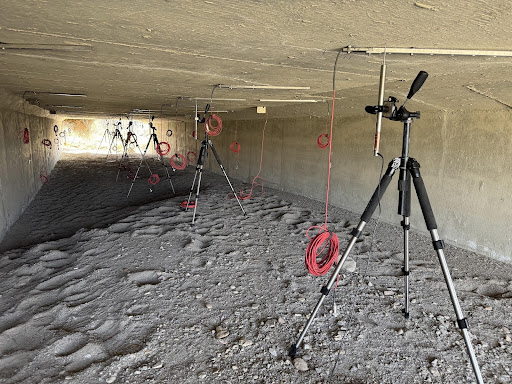
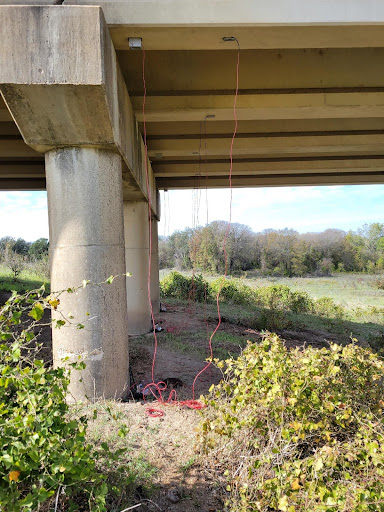
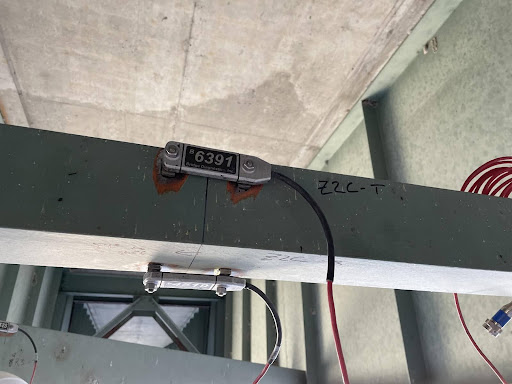
Load testing is a method of measuring real structural responses under an applied load. Utilizing BDI’s in-house systems, we are capable of measuring a multitude of different parameters, including strains, deflections, and rotations. Parameters that can be assessed using these responses include:
-
Load Testing
 Effective Material and Member Stiffness
 Effective Material and Member Stiffness
 Support Behavior
Live-Load Distribution
Span Continuity
Composite vs Non-Composite Behavior
Contribution of Secondary Members



What We Deliver
BDI offers flexible bridge load testing and evaluation services to match your project needs: