

Structural Health Monitoring

Structural Health Monitoring

What is Structural Health Monitoring (SHM)?

SHM uses a network of sensors and data acquisition hardware to monitor how a structure responds to changing conditions such as temperature gradients, traffic loads, weather events, and more. BDI’s SHM solutions remove the guesswork from structural assessment. BDI’s in-house team design, builds, installs, performs maintenance, and provides real measurements in an easy-to-interpret format that help you understand what’s truly happening inside your structure to support better asset management, maintenance planning, and long-term performance.

What we measure

Structural health monitoring can take on many different forms. At BDI we customize our in-house long-term monitoring systems to meet the specific requirements of the structure, ensuring reliable and actionable insights for long-term infrastructure stewardship. A few examples of common monitoring goals include:

  • Structural Health Monitoring

General structural performance

Bearing and joint performance

Bridge collision detection (vehicle / ship)

Hydraulic Structure Monitoring

Moveable Structure Monitoring

Geotechnical Monitoring

Cable performance

Fatigue monitoring

SHM Design Guidance
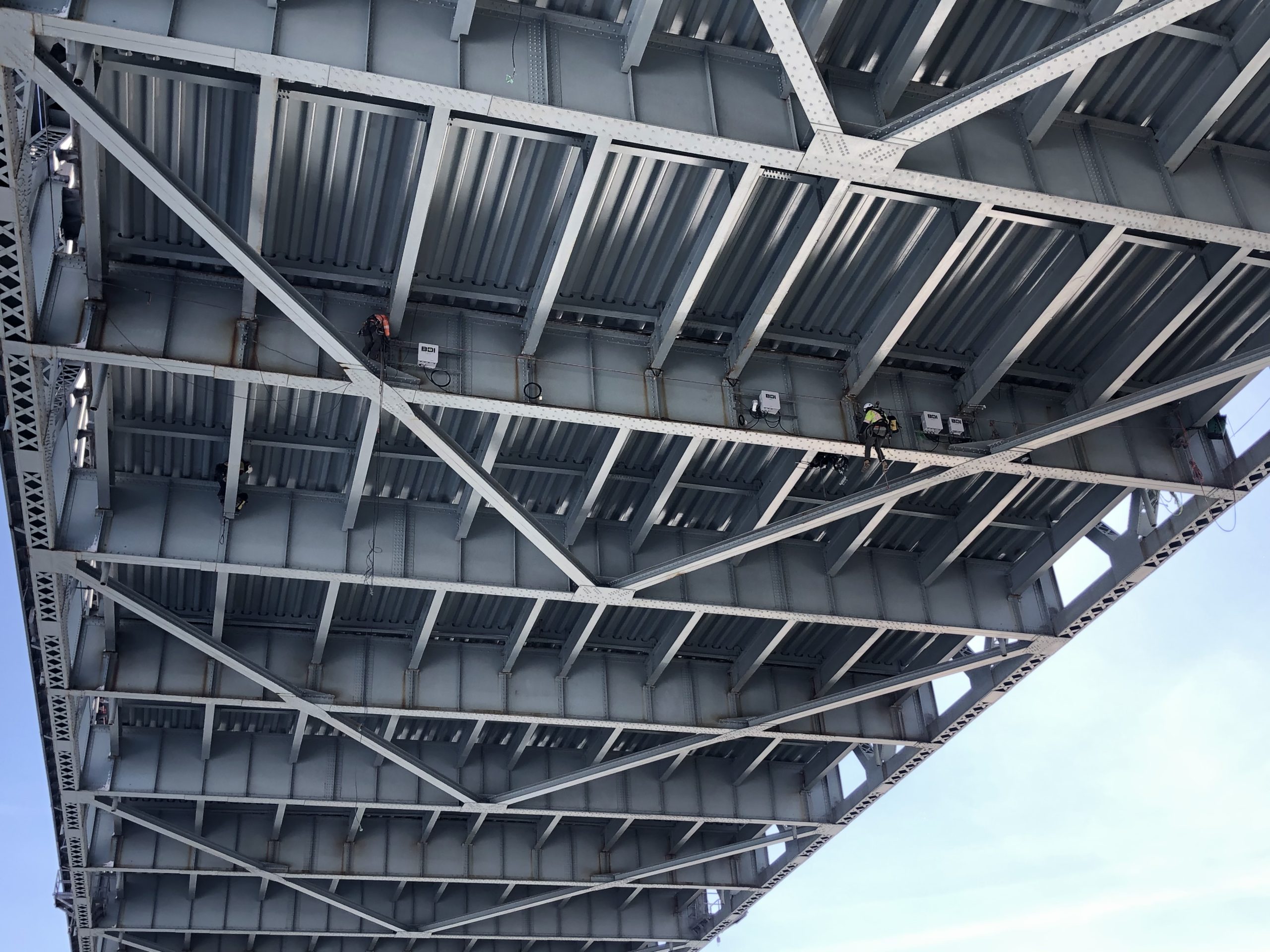
Structural performance monitoring involves measuring strain, displacement, rotation, or other parameters to determine how a structural component or system responds to loading, and track changes in that response over time. The resulting data can be used to support a wide variety of engineering analysis types.

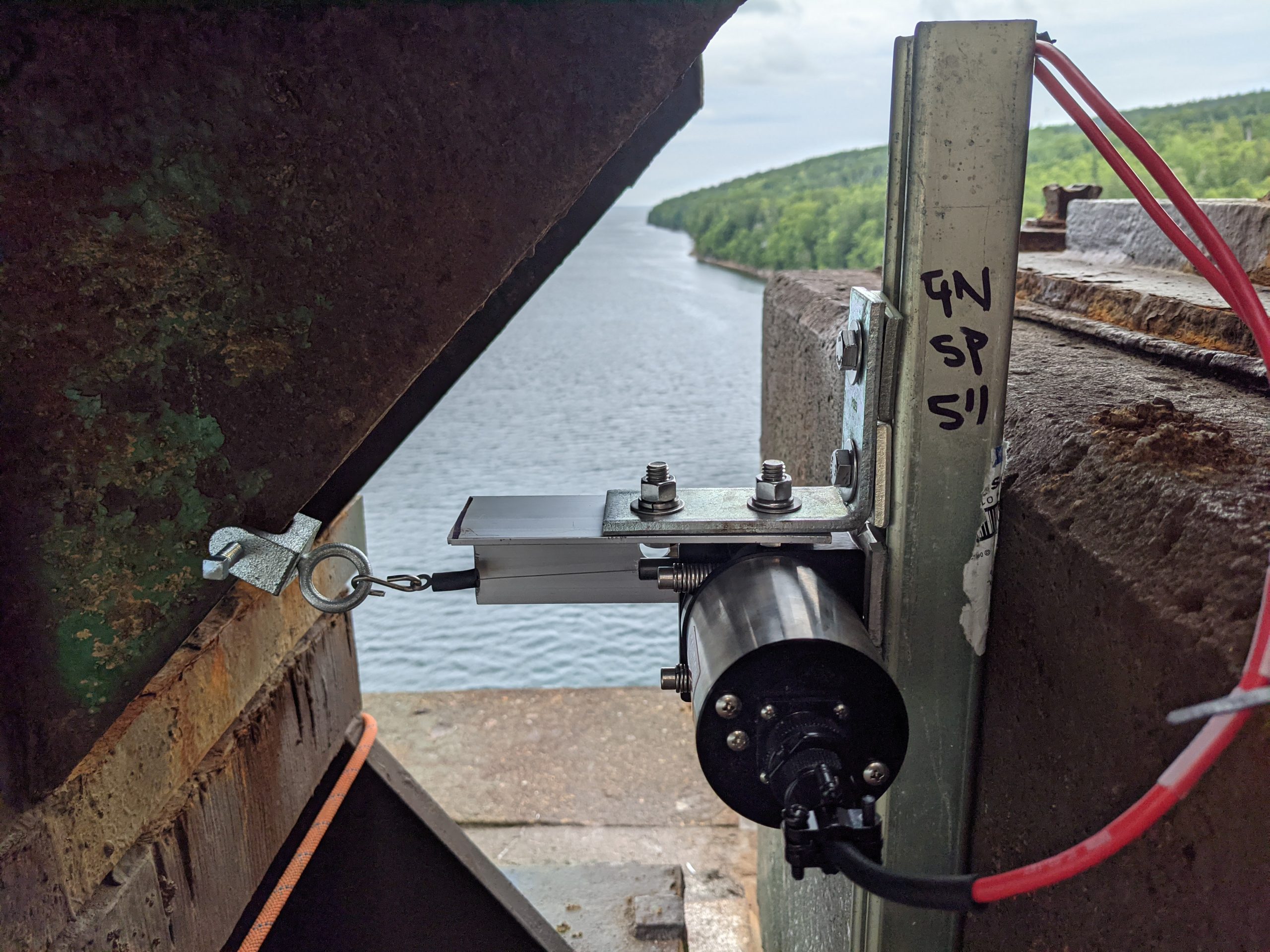
Allowing for natural movements of a structure is critical for maintaining its effectiveness as conditions change. BDI offers monitoring strategies designed to evaluate the performance of the bearings, joints, and other components that control these movements.

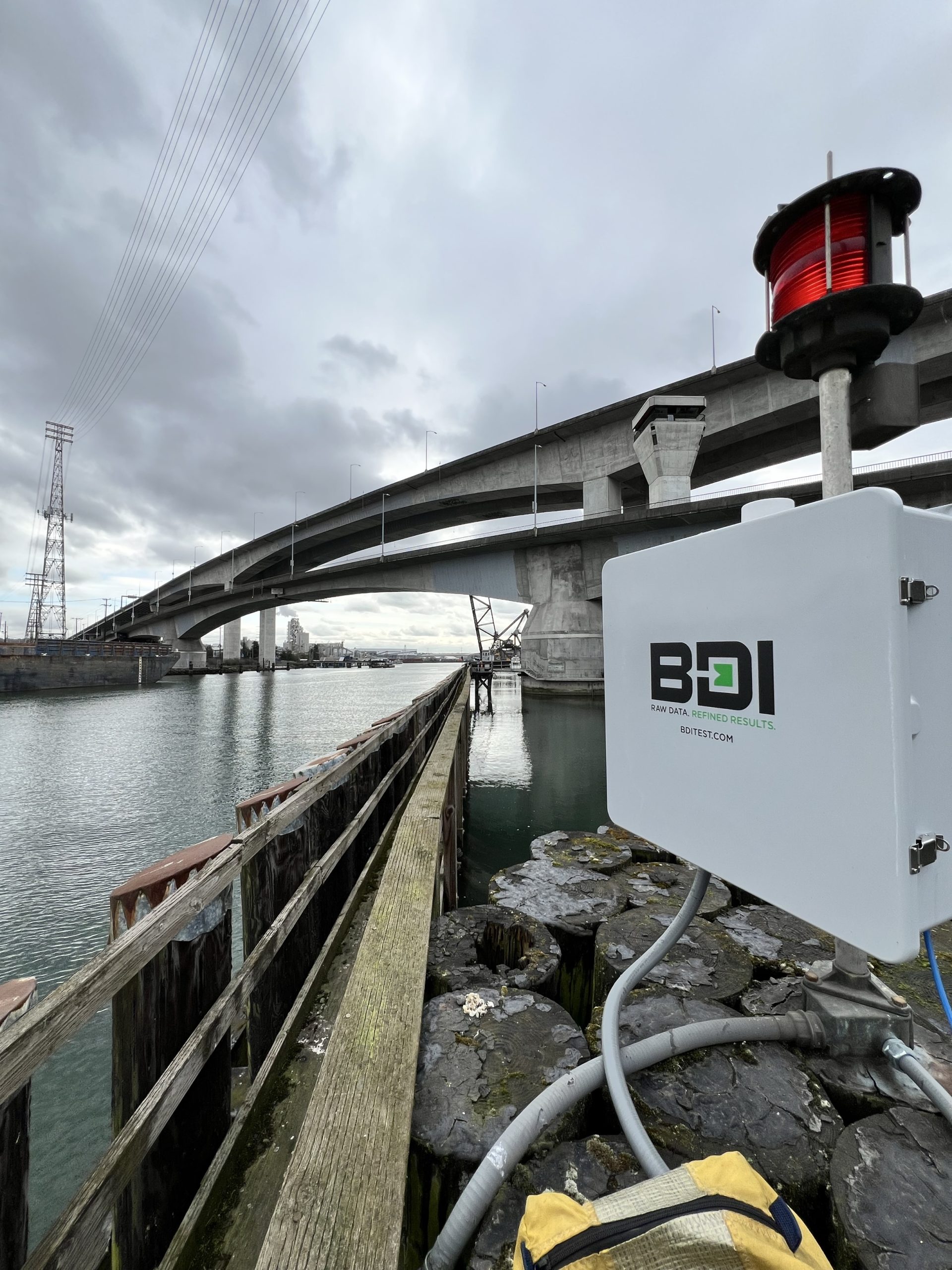
Our monitoring systems can be configured to detect collision events, such as overhead bridge strikes or marine vessel impacts, instantly sending alerts containing key information and images to facilitate prompt response and enforcement.

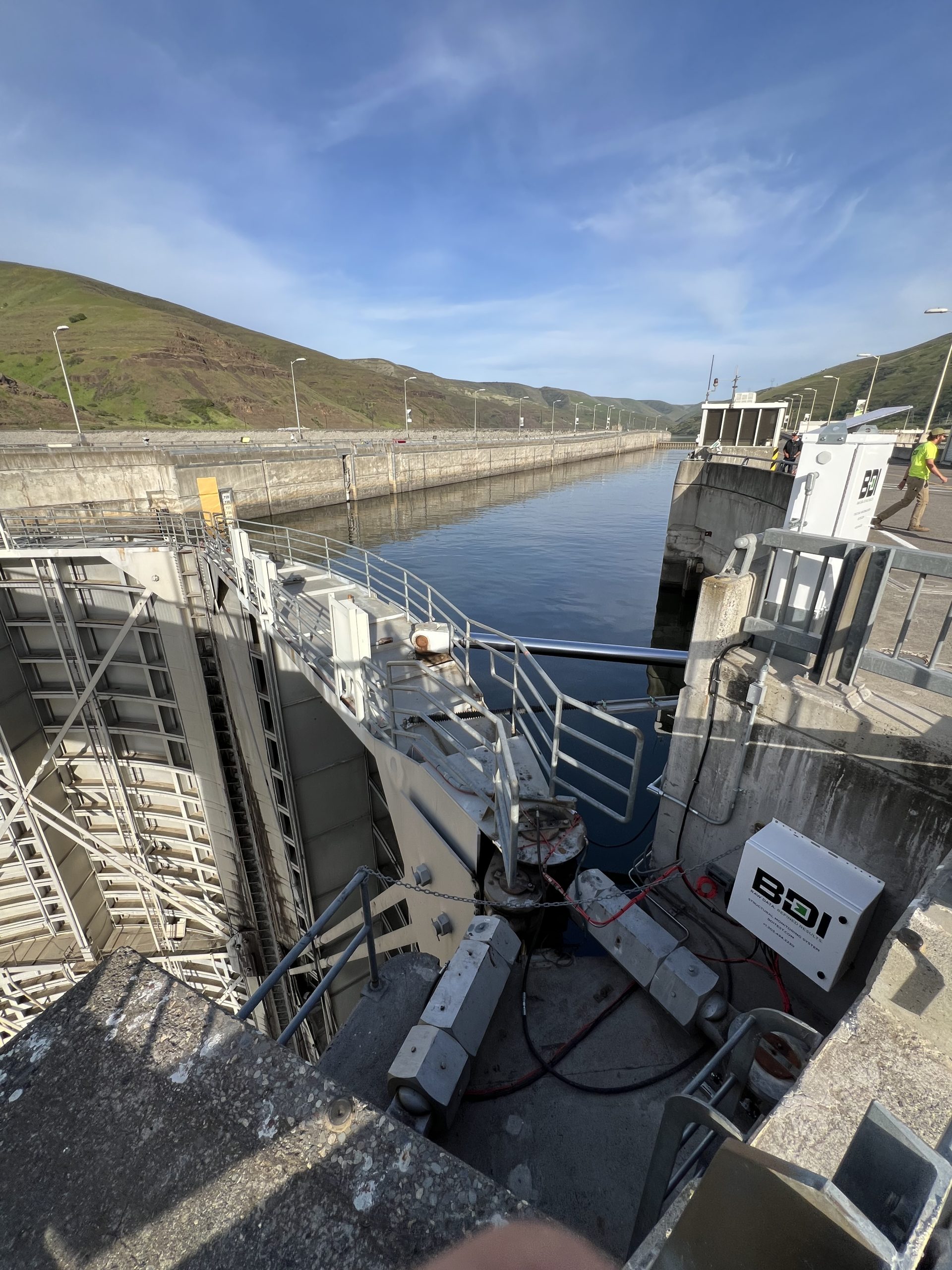
Dams and other hydraulic structures are critical for preventing flooding, maintaining water supply, and generating energy. BDI offers monitoring strategies designed to evaluate critical components of these structures, such as determining radial gate trunnion friction or investigating miter gate gudgeon stress, in order to verify operational condition.

Moveable structures like lift, swing, or bascule bridges, or retractable stadium roofs present unique challenges for structural evaluation. Monitoring these structures can be a valuable tool for determining their structural and mechanical over time and validating assumptions associated with their movements.

Geotechnical monitoring can consist of recording measurements associated with foundations, or of the soil itself. Substructure components can be instrumented to monitor movements, stresses, or vibrations, while soil sensors can be measure pressures or water levels.

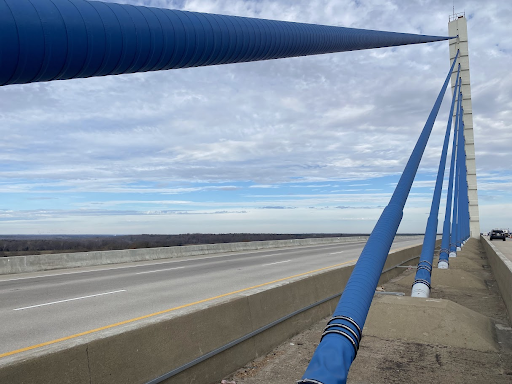
By installing accelerometers along stay cables, bridge hangers, guy wires, and other types of structural cables to measure vibration characteristics, the forces in the cable can be monitored over time to help identify evolving load paths.

Fatigue monitoring uses strain gages to determine real-world stress ranges and cycle counts experienced in fatigue-prone areas of steel structures, helping to identify causes of cyclic loading, track crack propagation, and estimate remaining service life.

If there’s something else you want to measure, but don’t know how – let us help! We have an experienced team of SHM experts ready to help you design a custom solution that will achieve your project goals.

What We Deliver

Beyond standard narrative reporting and conclusions, BDI provides:

Innovative Solutions

We’ve deployed SHM systems across a wide range of structure types to investigate a variety of structural conditions. See below to explore some of examples of projects we’ve completed, or contact us now to design a monitoring solution tailored to your needs.

Allowing for natural movements of a structure is critical for maintaining its effectiveness as conditions change. BDI offers monitoring strategies designed to evaluate the performance of the bearings, joints, and other components that control these movements.