

What is Performance Evaluation?
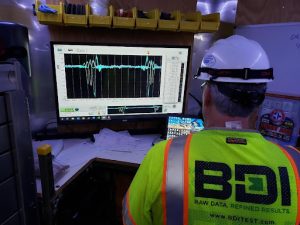
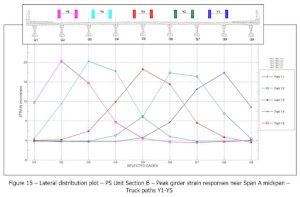
Understanding how highly trafficked, movable, or mission-critical structures perform is essential for effective asset management. BDI provides comprehensive testing and engineering services to evaluate the performance of complex infrastructure. By combining structural testing, non-destructive evaluation (NDE), and advanced engineering analysis, we deliver the insights owners need to assess components accurately, plan targeted maintenance, and support long-term management strategies.
Common Types of Performance Evaluation
Due to the specialized nature of performance evaluations, there are many types and applications depending on the structure and its unique demands. At BDI, we collaborate with owners to develop and implement tailored strategies that address specific performance questions. Our team brings deep expertise across a wide range of evaluation scenarios, including:
Cable Force Evaluation
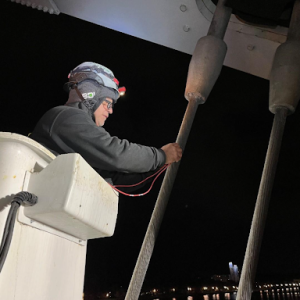
BDI uses vibration-based sensing to determine the tension in structural cables, helping to assess load paths, detect tension loss, and evaluate structural performance without disruptions to service.
Diagonal Tension Testing
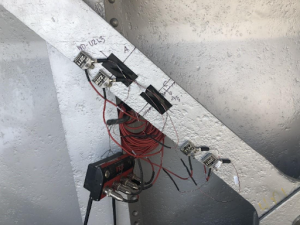
BDI provides real-time strain data to improve the accuracy, efficiency, and safety of the tensioning procedures for miter gate diagonal braces, ensuring the gate operates properly before returning to service
Trunnion Friction Testing/Evaluation
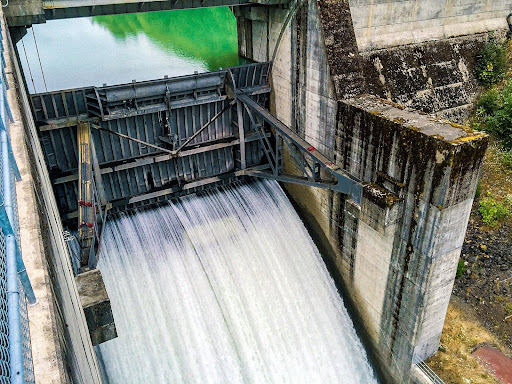
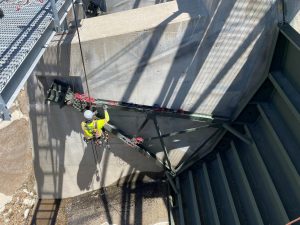
Trunnion friction testing, which is often applied to Tainter gates, uses strain measurements from lift-lower tests to assess the effective friction in the trunnion pins. Low pin friction is ideal for minimizing risk of failure and maximizing structural lifespan, while excessive pin friction may indicate the need for maintenance and/or repair work.
Balance Evaluation
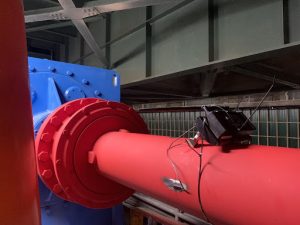
Balance evaluation covers methods used to determine whether bascule bridges and vertical lift bridges are span-heavy or counterweight-heavy, and by how much. Testing typically involves taking torque measurements on the hoist shaft(s) during lift-lower tests, but can also involve other procedures such as cable force evaluation.
Heavy Moveable Performance
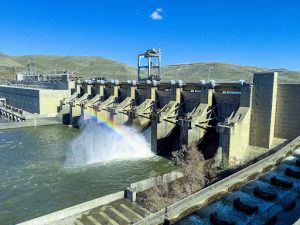
BDI has extensive experience in testing and monitoring of heavy moveable structures such as moveable bridges and steel hydraulic gates. A variety of structural data can be collected including stresses, torques, deflections, rotations, and vibrations, which can be applied to evaluate specific aspects of concern in the performance of the structure.