

Non-Destructive Testing and Evaluation

What is Nondestructive Testing & Evaluation (NDT-E)?
1_Condition and Integrity Assessment

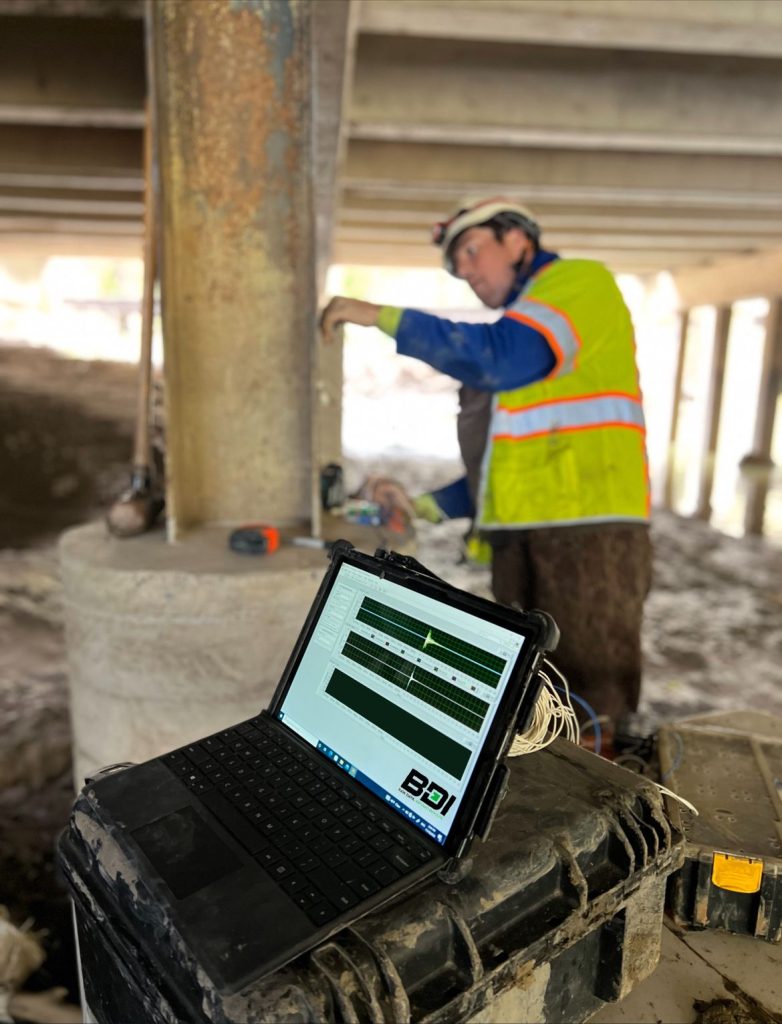
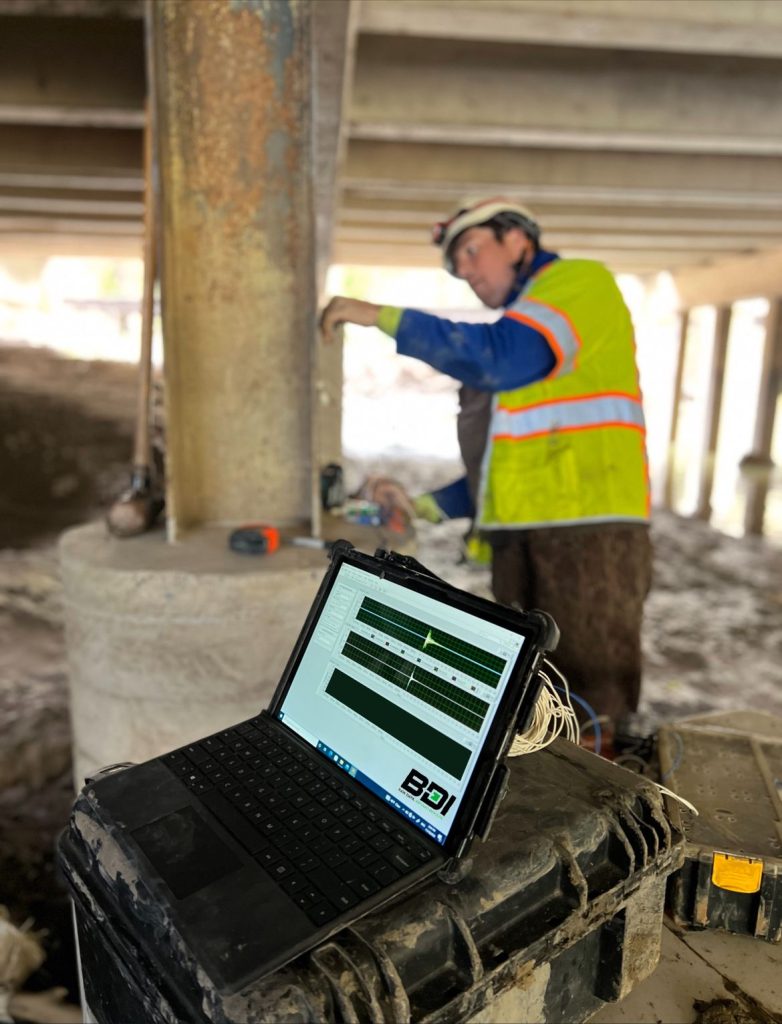
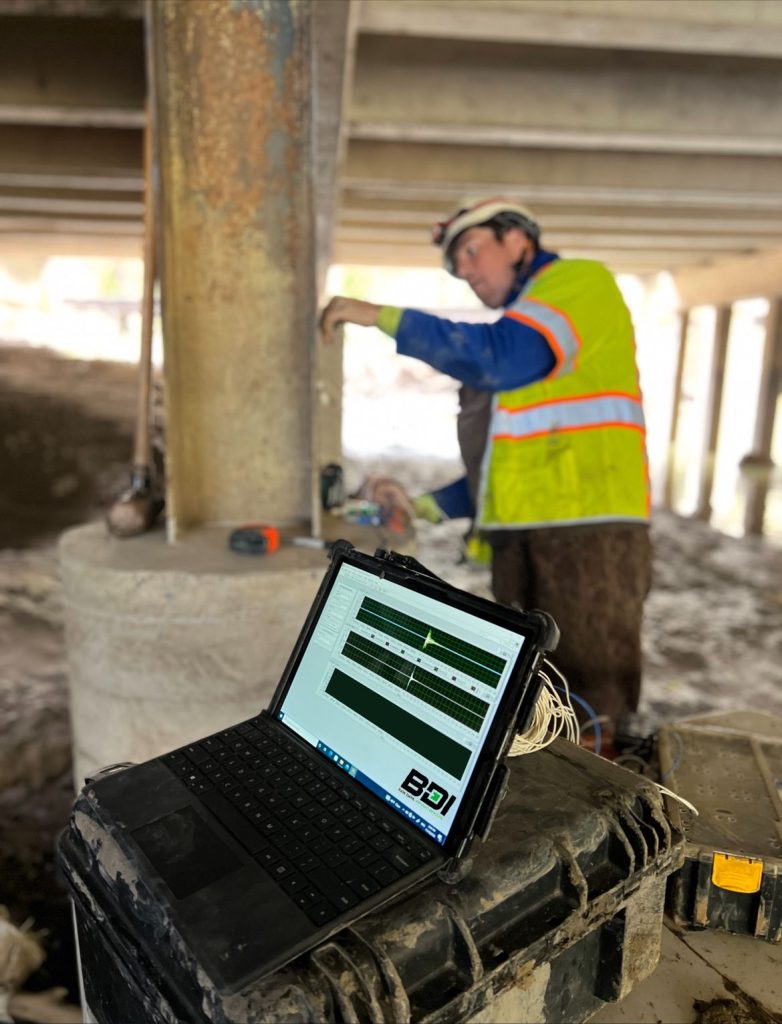
NDT-E represents a collection of tools, techniques, and technologies that are used to answer questions about the condition and configuration of different structures without damaging them or affecting their ability to function.

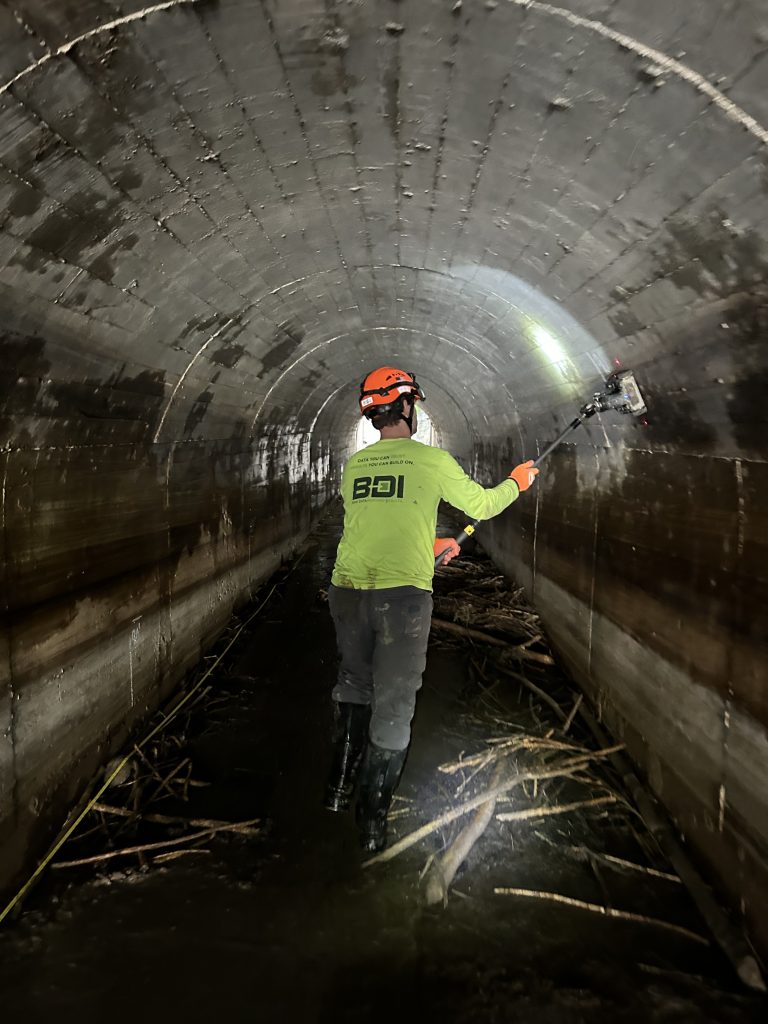
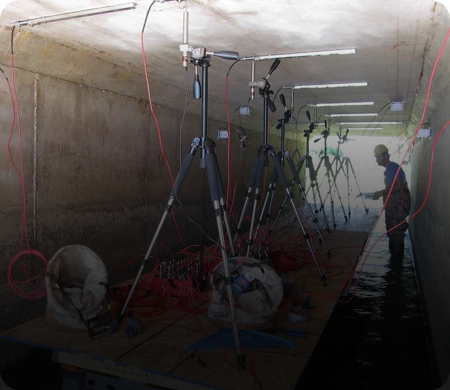
Whether it’s locating steel reinforcement in a concrete tunnel liner, measuring the length of an unknown foundation, or classifying corrosion and spalls along a bridge deck, NDT-E methods can provide asset owners with valuable insights to inform their engineering judgments, maintenance planning, and overall service approaches.

As a recognized industry authority on NDT-E, BDI offers both the technical expertise and field experience necessary to generating these insights on-time and on-budget as well as the professional engineering and analytical services needed to ensure results are accurate and actionable.

What We Measure

on Structural Elements With NDE

  • Concrete

  • Geophysical

  • Pavement

  • Steel

  • Timber

Condition and Integrity Assessment

Concrete thickness and dimension measurement

Crack mapping, depth/width measurement

Steel reinforcement mapping

Steel reinforcement corrosion potential mapping

Post-tensioned duct testing

Chloride/sulfate testing and measurement

Concrete coring and material testing

Construction QA/QC

Unknown foundation testing
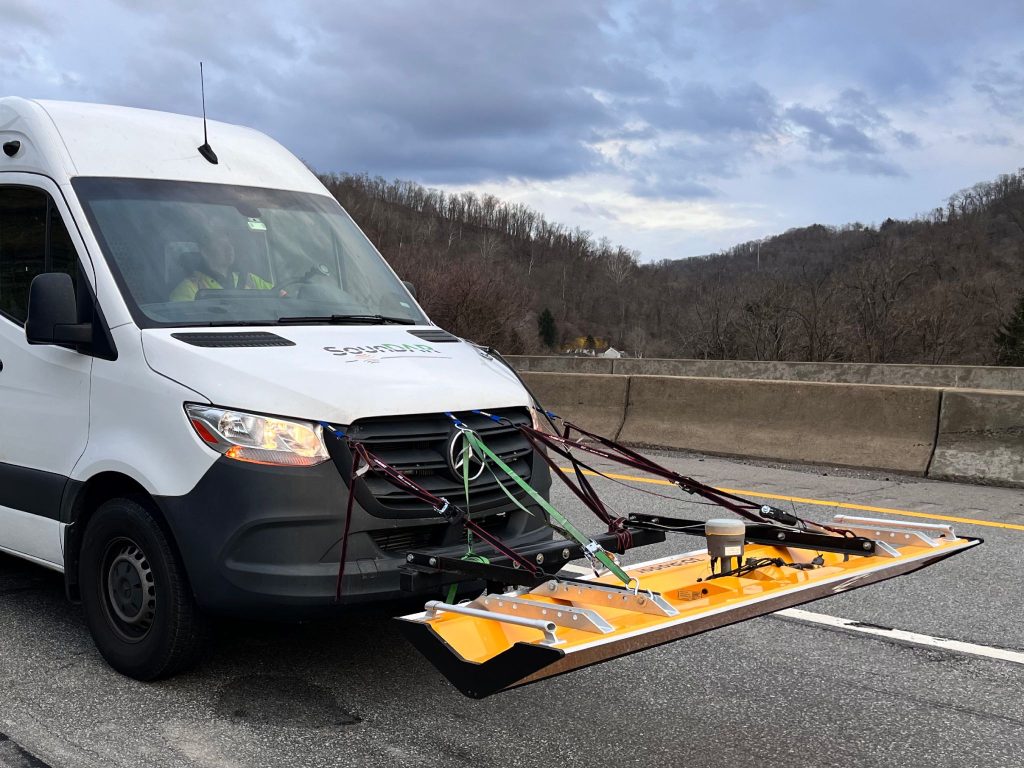
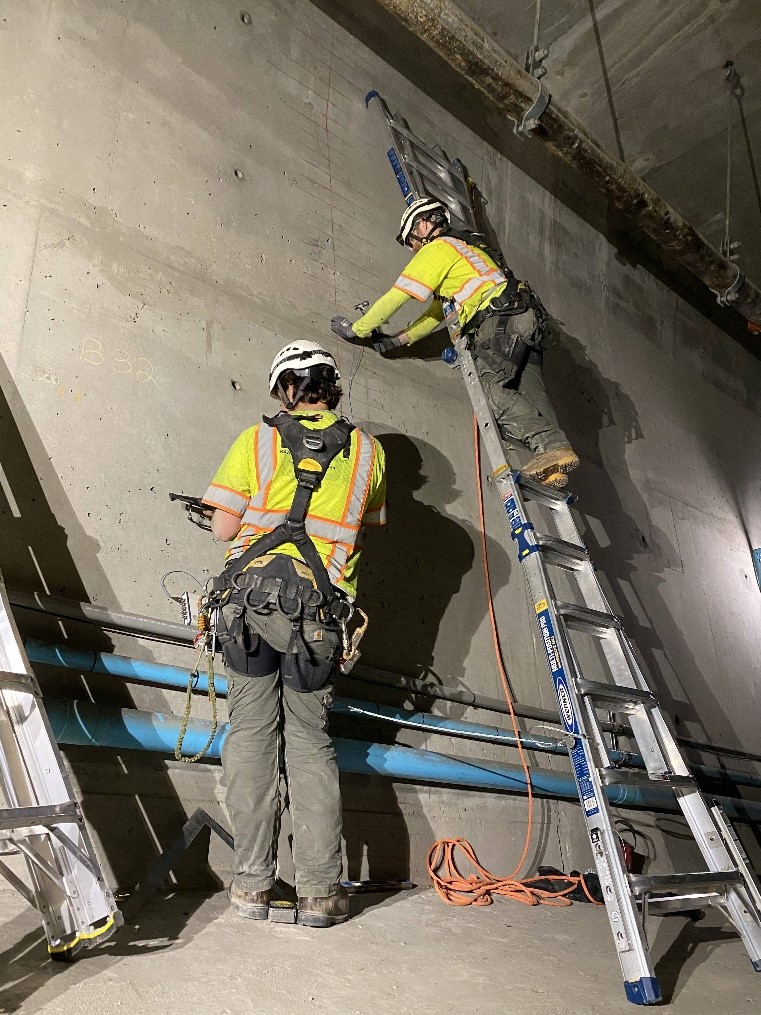
BDI deploys a wide variety of acoustic, visual, and electromagnetic NDT-E methods for measuring delaminations, voids, honeycombing and other defects in concrete in line with relevant industry standards (AASHTO MBEI, NBI/SNBI, ACI).

BDI offers as-built verification services to measure and report on the geometry of a given concrete structure.

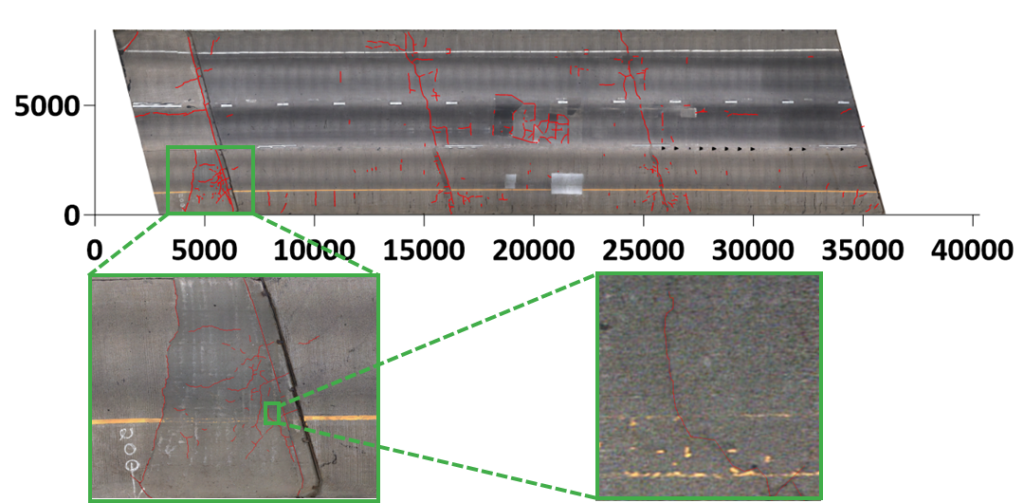
BDI leverages modern photogrammetry and AI-powered classification tools to automatically map cracks in concrete structures with depth/width measurements being possible.

BDI regularly performs steel reinforcement mapping services to provide as-built verification to asset owners as well as inform any modification or drilling operations, generating both reports and on-site marking for client use.

BDI deploys several types of electrochemical technologies for measuring the corrosion potential of reinforcing steel in concrete.

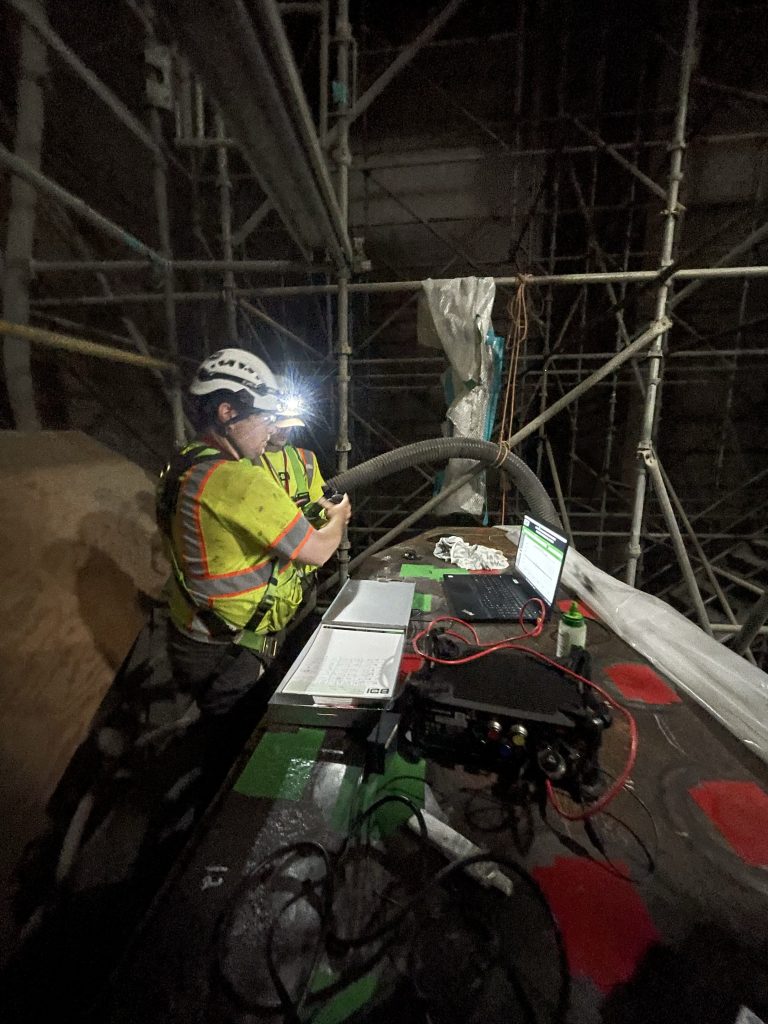
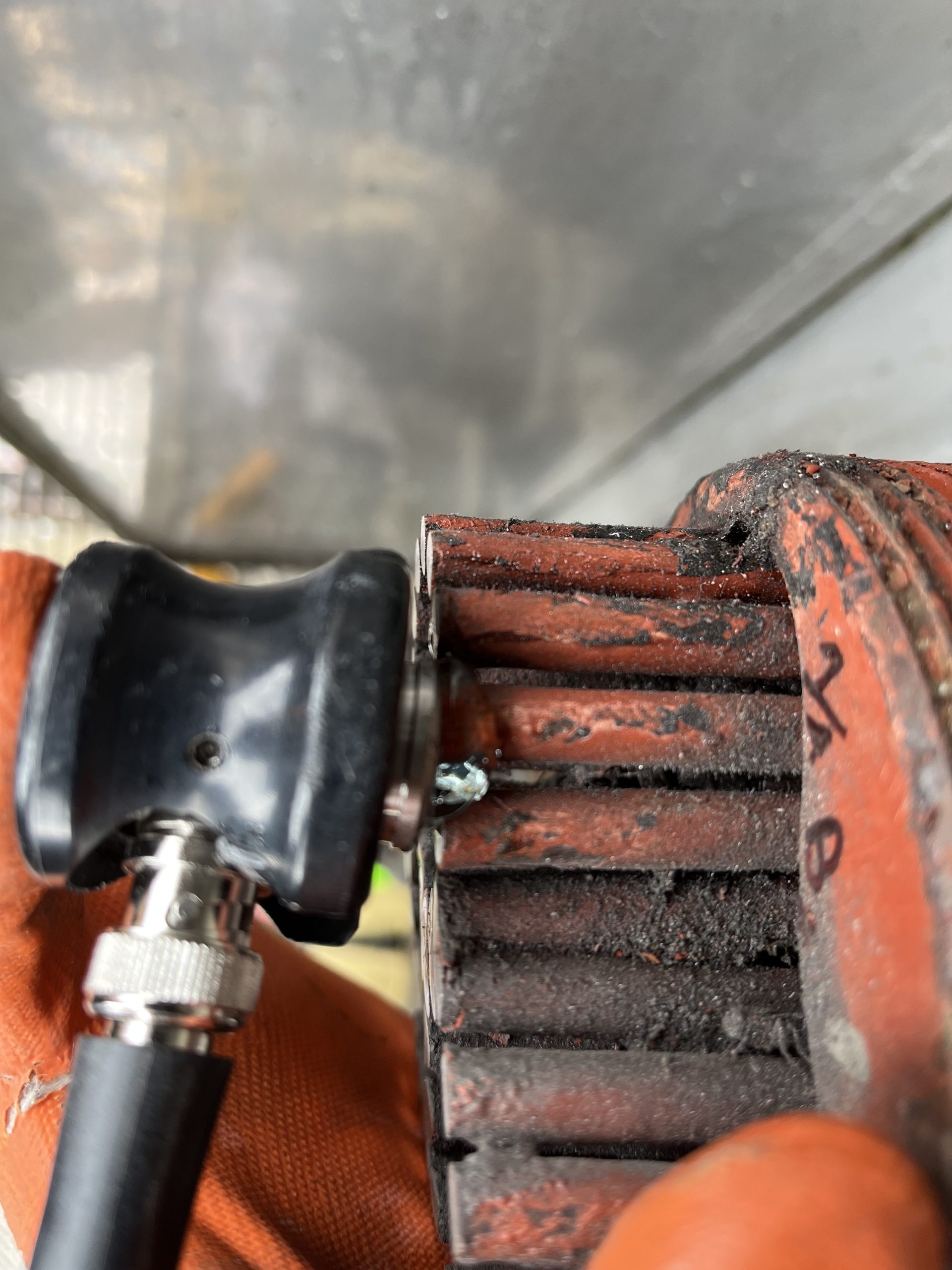
BDI uses a combination of acoustic methods to evaluate the condition of post-tensioned (PT) ducts with particular focus on void detection within the duct.

BDI provides chloride/sulfate concentration testing services through developed best practices for field material collection and transport.

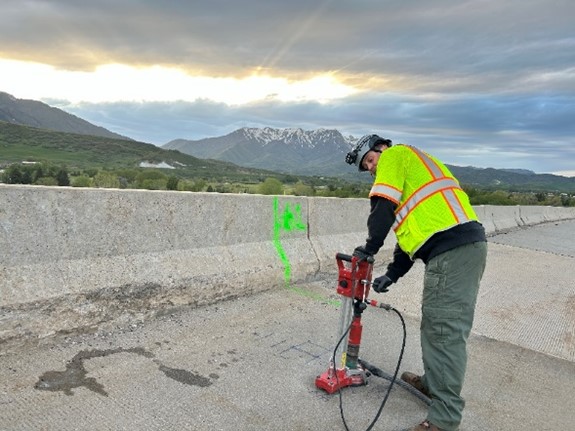
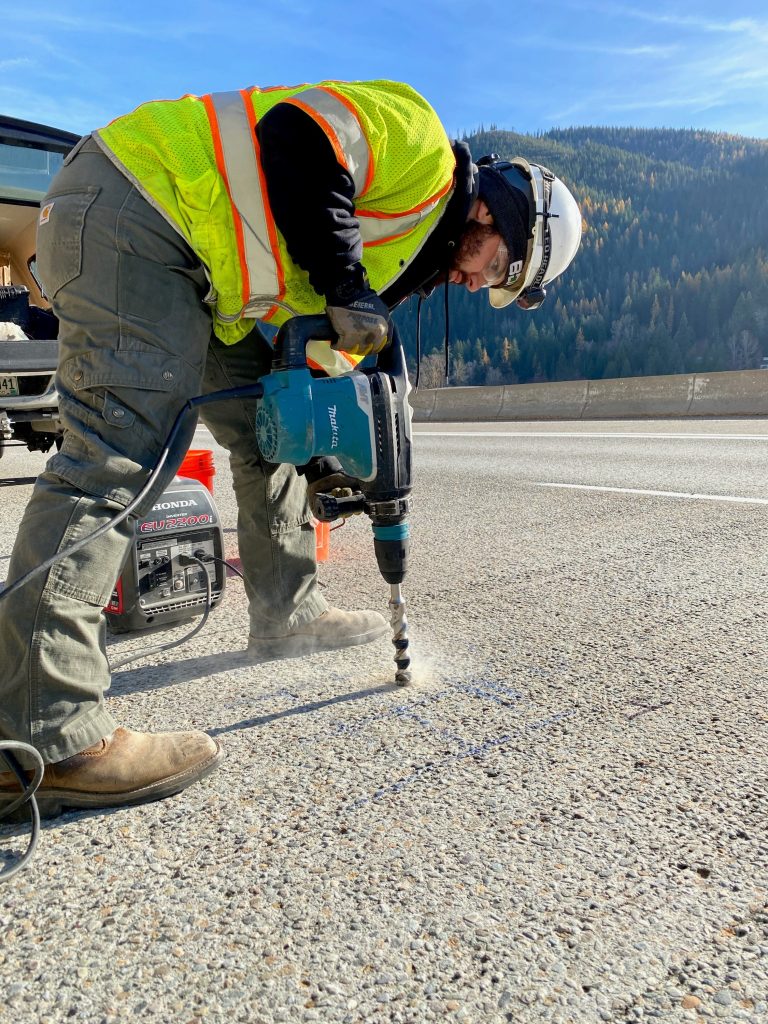
BDI complements its NDT-E capabilities with coring methods where minimally invasive material testing is needed to measure concrete compressive strength or petrography.

BDI not only provides services for existing structures, but it also provides and recommends them for structures currently under construction to both check quality during the process as well as establish a baseline condition measure for future comparison.

BDI has tested hundreds of embedded concrete pile foundations for the bridge infrastructure and telecom industries over the past decade to measure their length and evaluate their condition.

Subsurface void and feature mapping

Utility location services
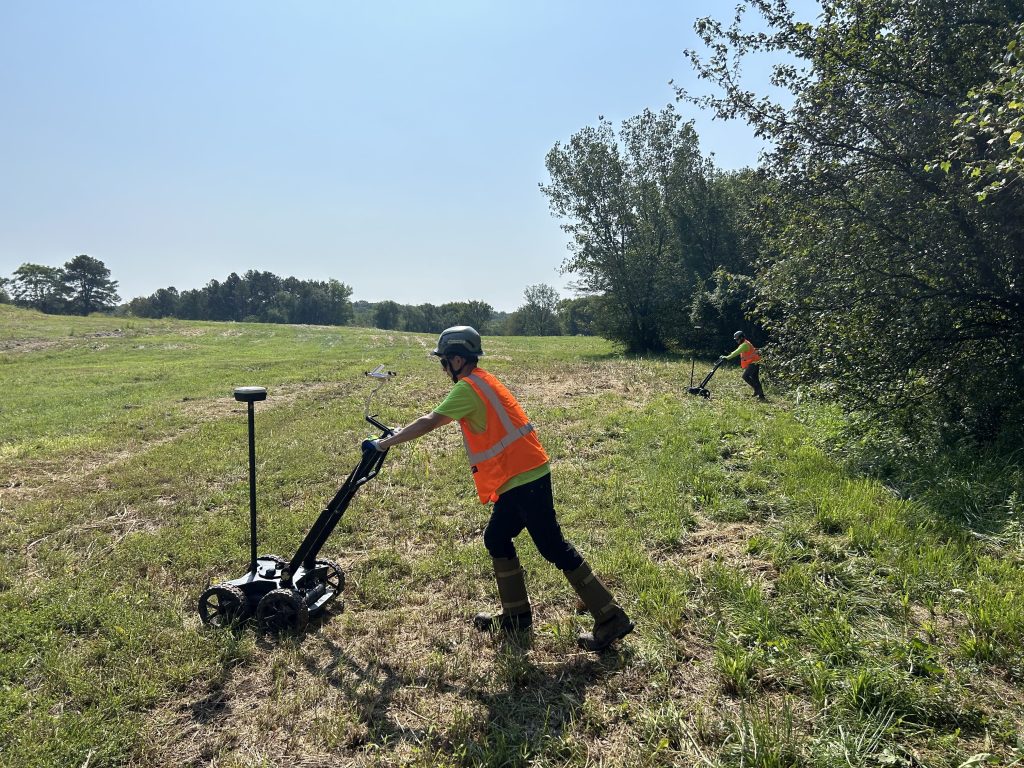
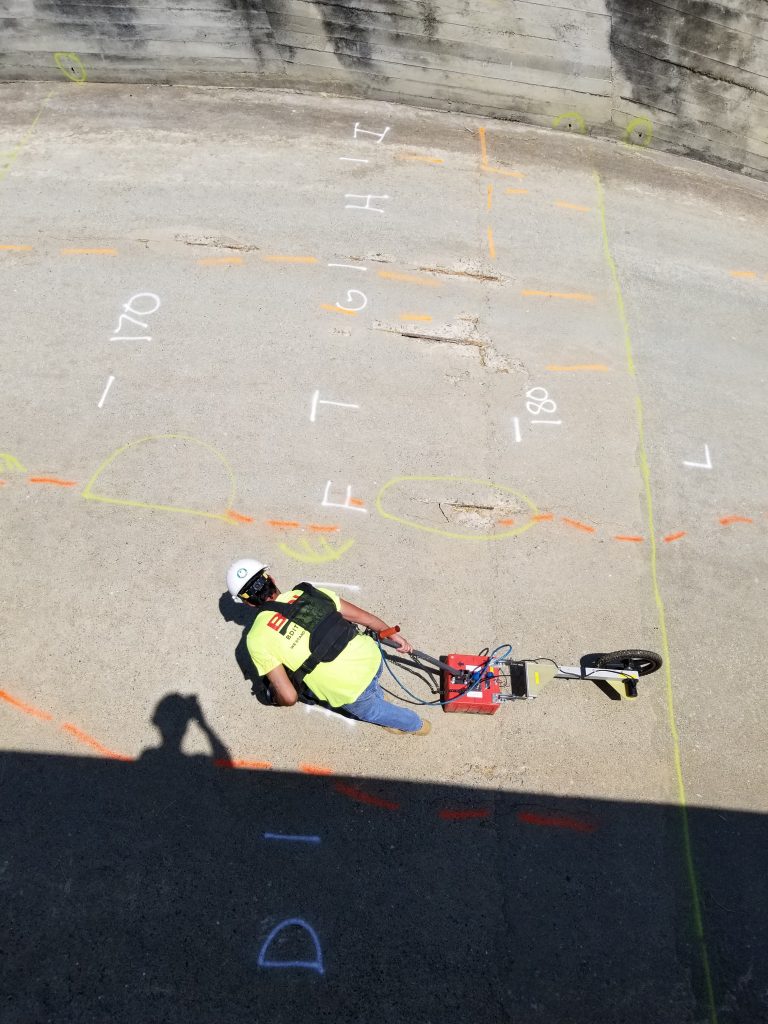
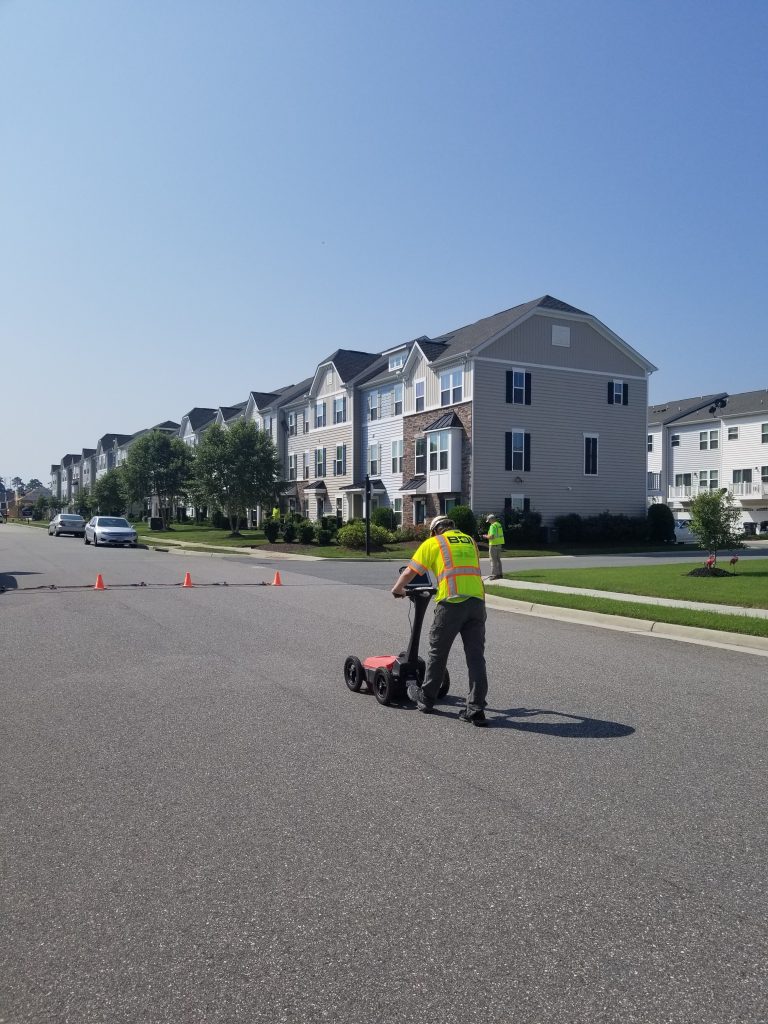
BDI deploys several types of GPS-enabled electrical and electromagnetic NDT-E technologies for identifying subsurface anomalies such as voids, water ingress, debris, steel tanks, and other buried features of interest.

BDI deploys several types of electrical and electromagnetic NDT-E technologies for identifying, locating, and marking out buried utilities on-site with GPS reporting possible.

Condition and thickness mapping

BDI deploys several types of NDT-E methods for evaluating the thickness and condition of pavement

Steel condition and configuration measurement

Weld inspection

Fatigue crack inspection

Unknown foundation testing
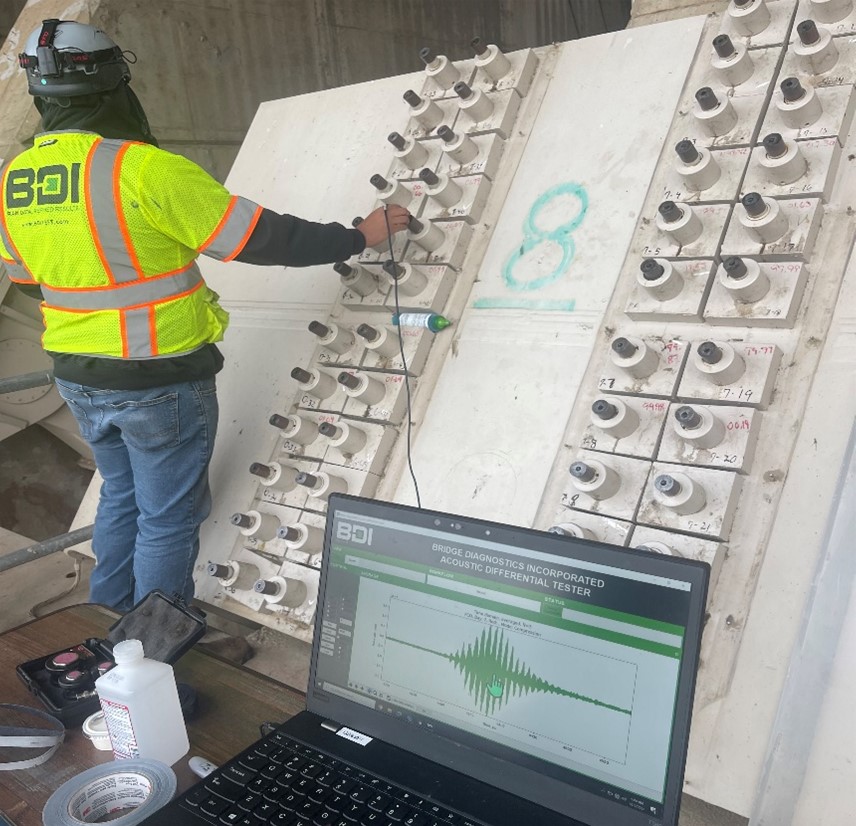
BDI utilizes a variety of ultrasonic methods and ASNT-certified technicians to evaluate plate thickness, rod length, defects, and other features of interest in steel elements.

BDI utilizes a variety of NDT-E methods and ASNT-certified inspectors to evaluate steel welds in line with relevant AWS standards.

BDI utilizes a variety of NDT-E methods and ASNT-certified inspectors to evaluate steel cracks caused by cyclical loading and fatigue damage.

BDI has tested hundreds of embedded steel pile foundations for the bridge infrastructure and telecom industries over the past decade to measure their length and evaluate their condition.

Integrity assessment

Pile length and size measuremen

Unknown foundation testing
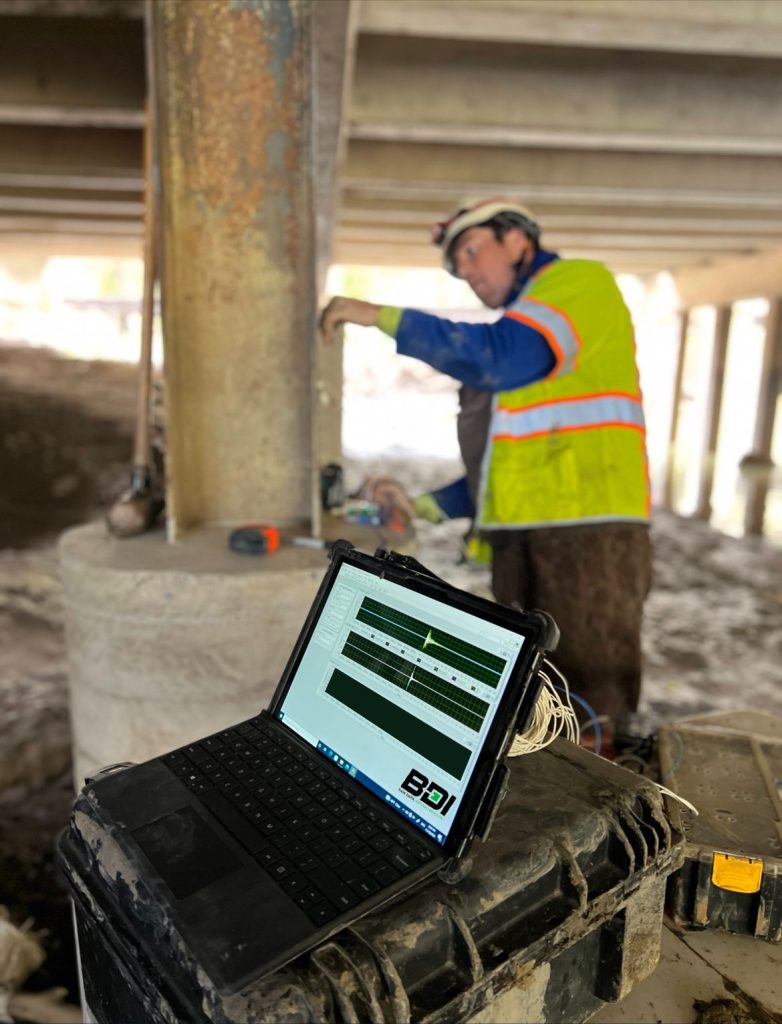
BDI has tested hundreds of embedded timber pile foundations for the bridge infrastructure and telecom industries over the past decade to evaluate their condition

BDI has tested hundreds of embedded timber pile foundations for the bridge infrastructure and telecom industries over the past decade to measure their length and dimensions.

BDI has tested hundreds of embedded timber pile foundations for the bridge infrastructure and telecom industries over the past decade to measure their length and evaluate their condition.

How We Measure

  • Concrete

  • Geophysical

  • Steel

  • Timber

Impact Echo (IE)

Ground Penetrating Radar (GPR)

Infrared Thermography (IR)

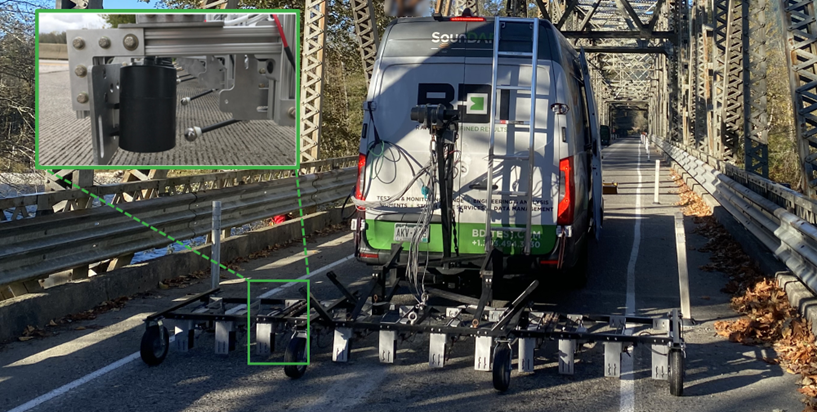
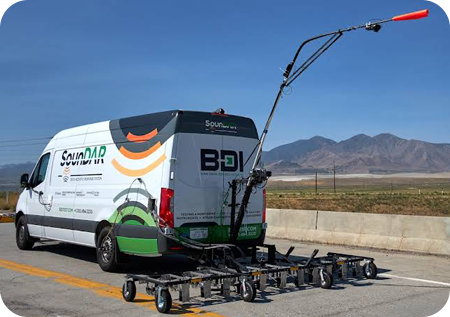
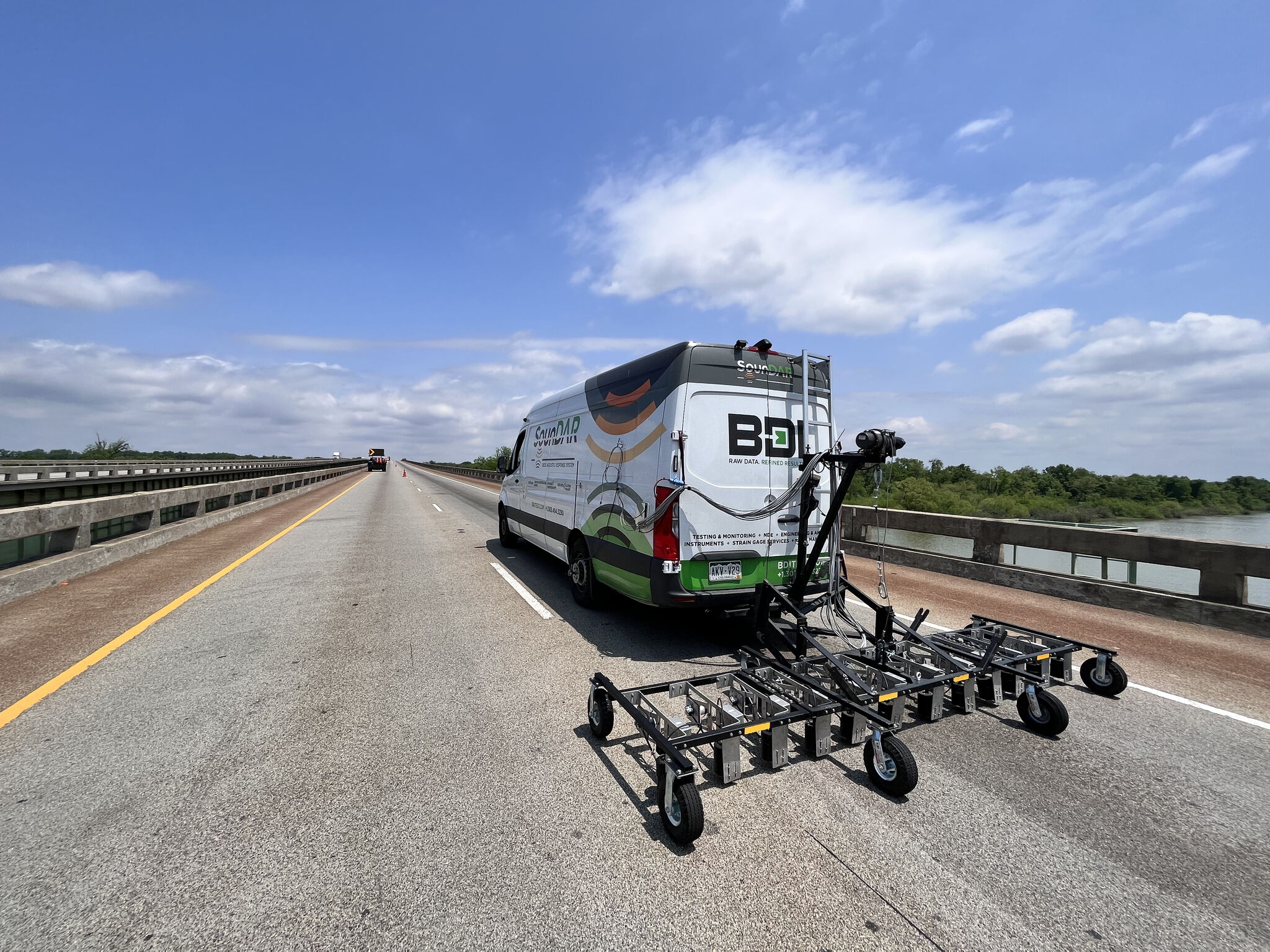
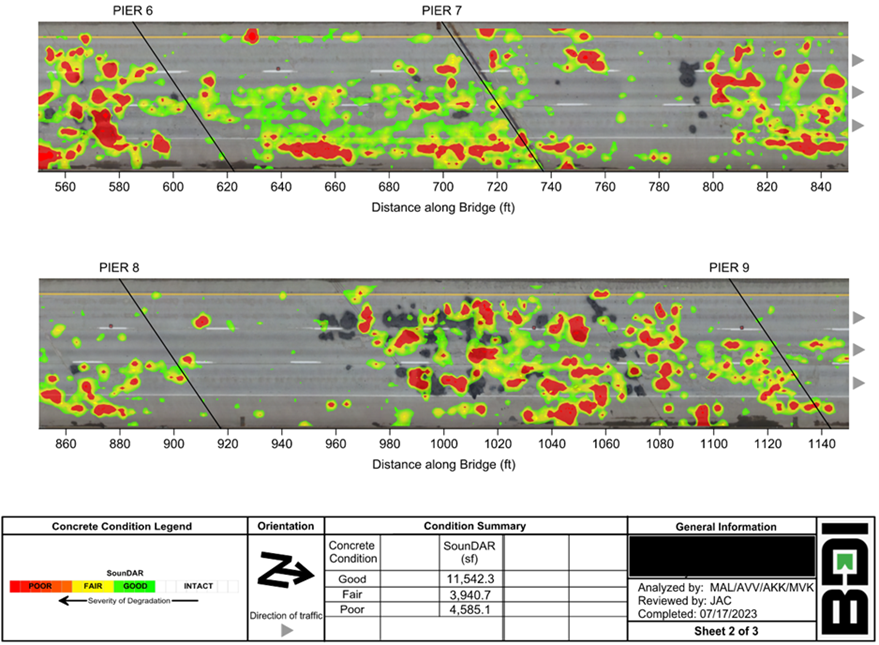
Deck Acoustic Response (SounDAR) – automated concrete sounding

High-Resolution Imaging (HRI)

Ultrasonic Tomography (MIRA)

Ultrasonic Pulse Velocity (UPV)

Half Cell Potential Testing (HCP)

Sonic Echo-Impulse Response (SE-IR)

Electrical Resistivity Testing (ER)

Rapid Chloride Testing (RCT)

Hammer Sounding & Chain Drag

Visual Inspection
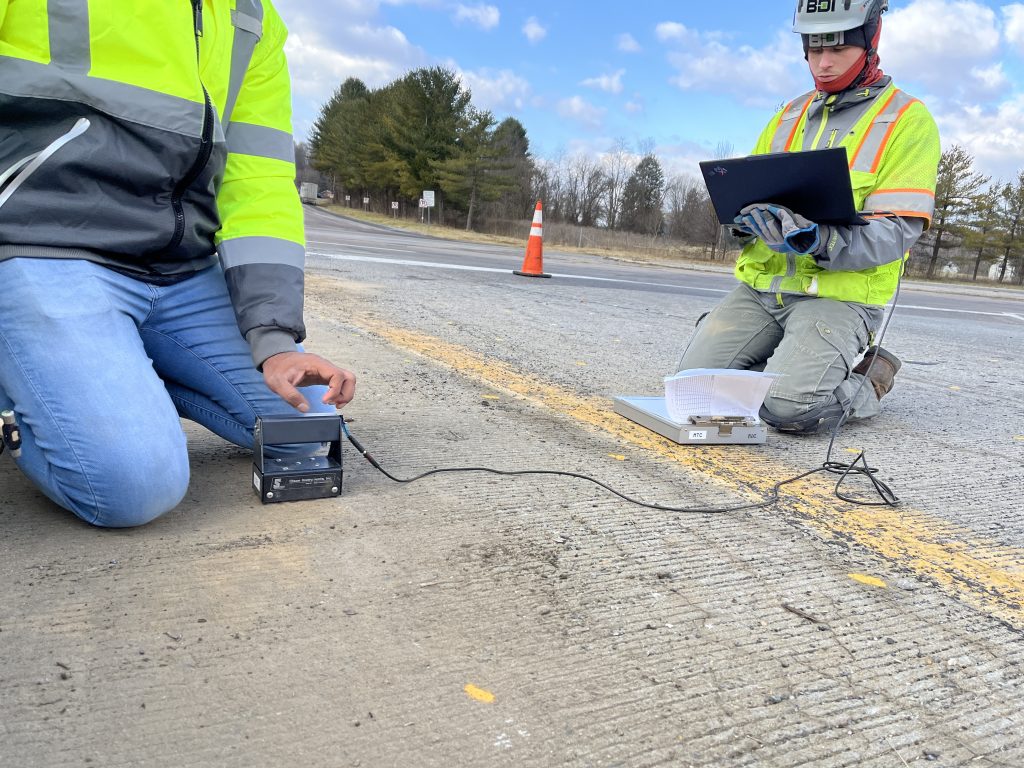
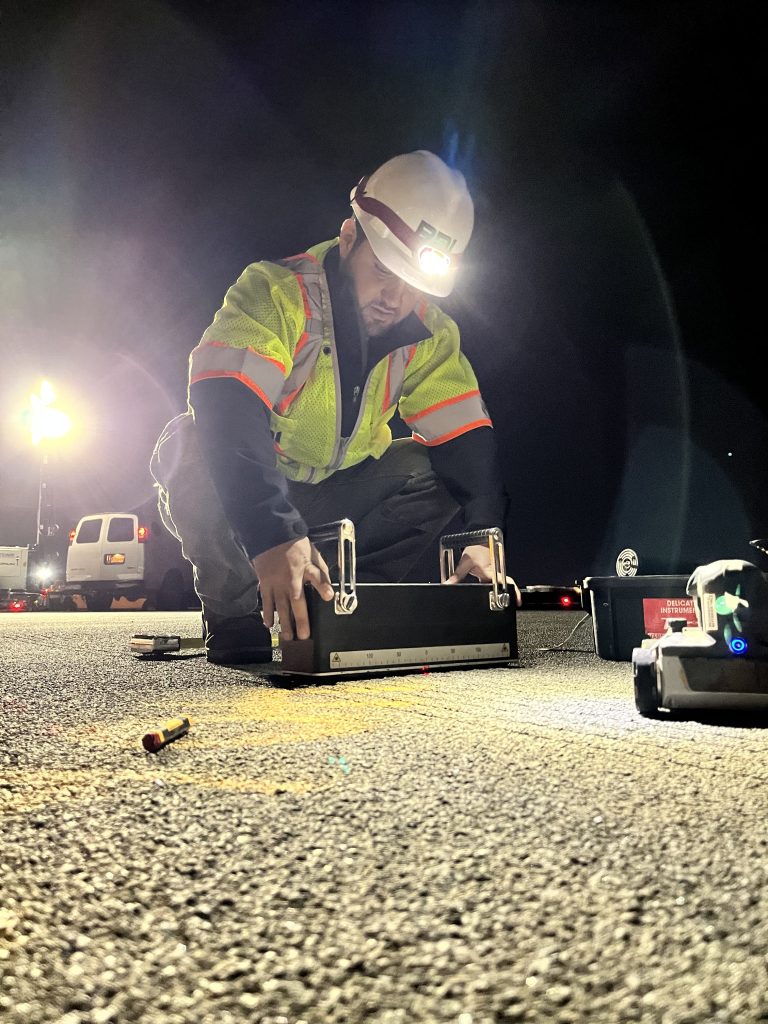
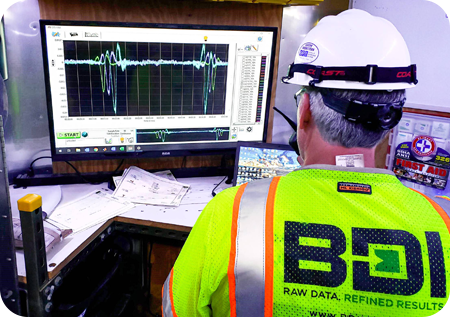
By inducing an impact on a concrete structure and measuring the frequency response, the length and condition of a concrete element can be measured with data typically being collected along a test grid to evaluate the entire element. BDI has developed an efficient field data collection program and automated workflow to accelerate the production of the results.

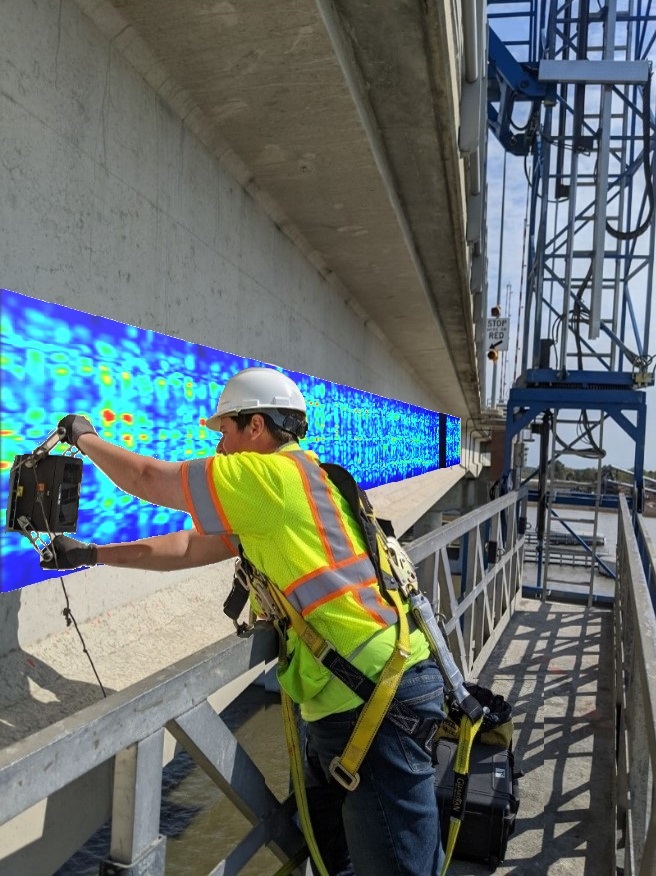
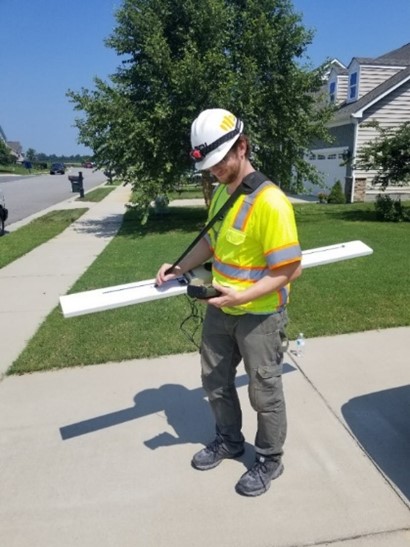
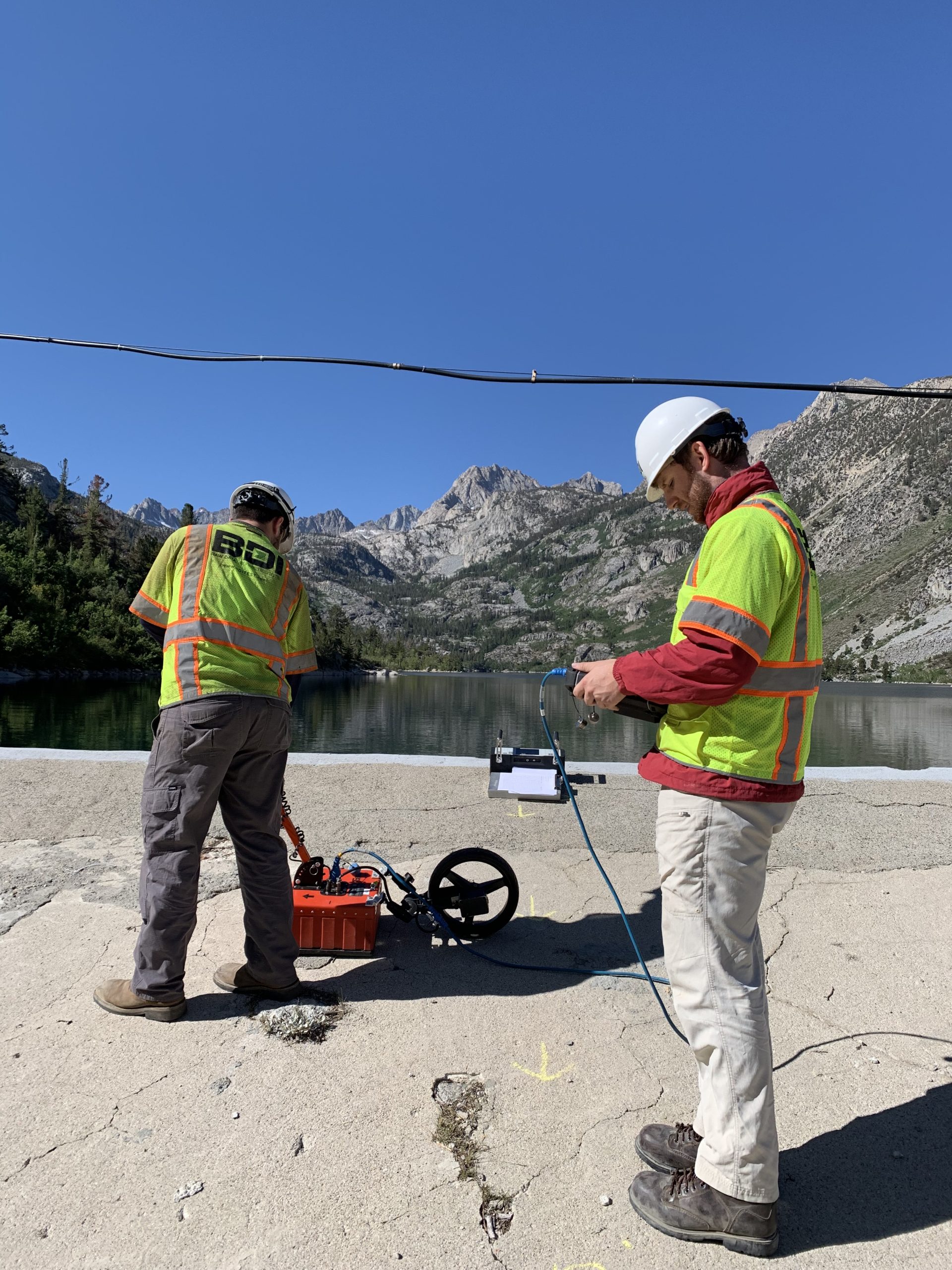
By directing an electromagnetic wave into a concrete structure and measuring the response, features such as steel reinforcement, voids, the concrete backwall, and other features of interest can be detected. This work is often completed in scans along a given element on a test grid to generate a 3D view of the features, their depth, and their condition. BDI has developed its own ASNT TC-1A certification program for its GPR professionals and deploys a variety of different technology platforms depending on the speed, precision, or depth of testing needed.

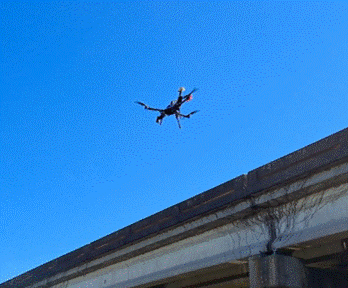
Infrared Thermography is an electromagnetic method that involves measuring the infrared energy emitted from a concrete structure and identifying possible defects such as delamination based on unexpected temperature variations. BDI deploys this method using high-precision IR cameras mounted on drones and vehicles to scan entire structures at high-speed with results generated as feature maps.

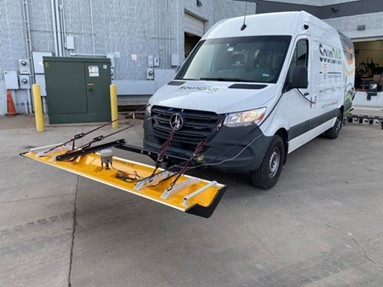
By inducing multiple impacts on a concrete structure on a moving platform and measuring the audible response using a microphone array, delaminations in concrete from the resulting frequency response similar to traditional hammer sounding and impact echo. For nearly a decade, BDI has been a pioneer in this technology developing both its own field data collection system and the AI-ML powered analytics model for measuring and mapping delamination on over 60 million square feet of concrete.

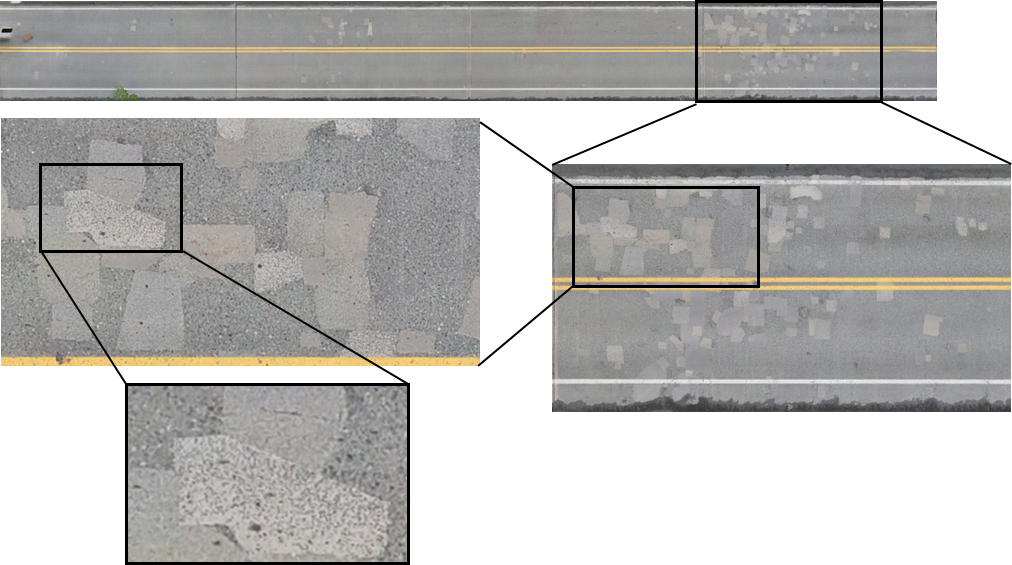
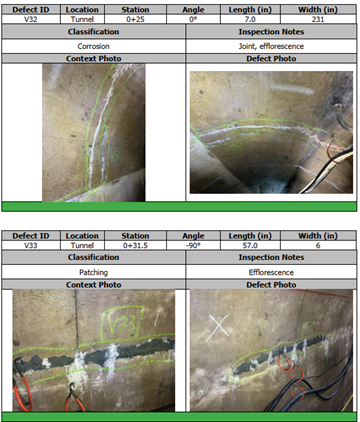
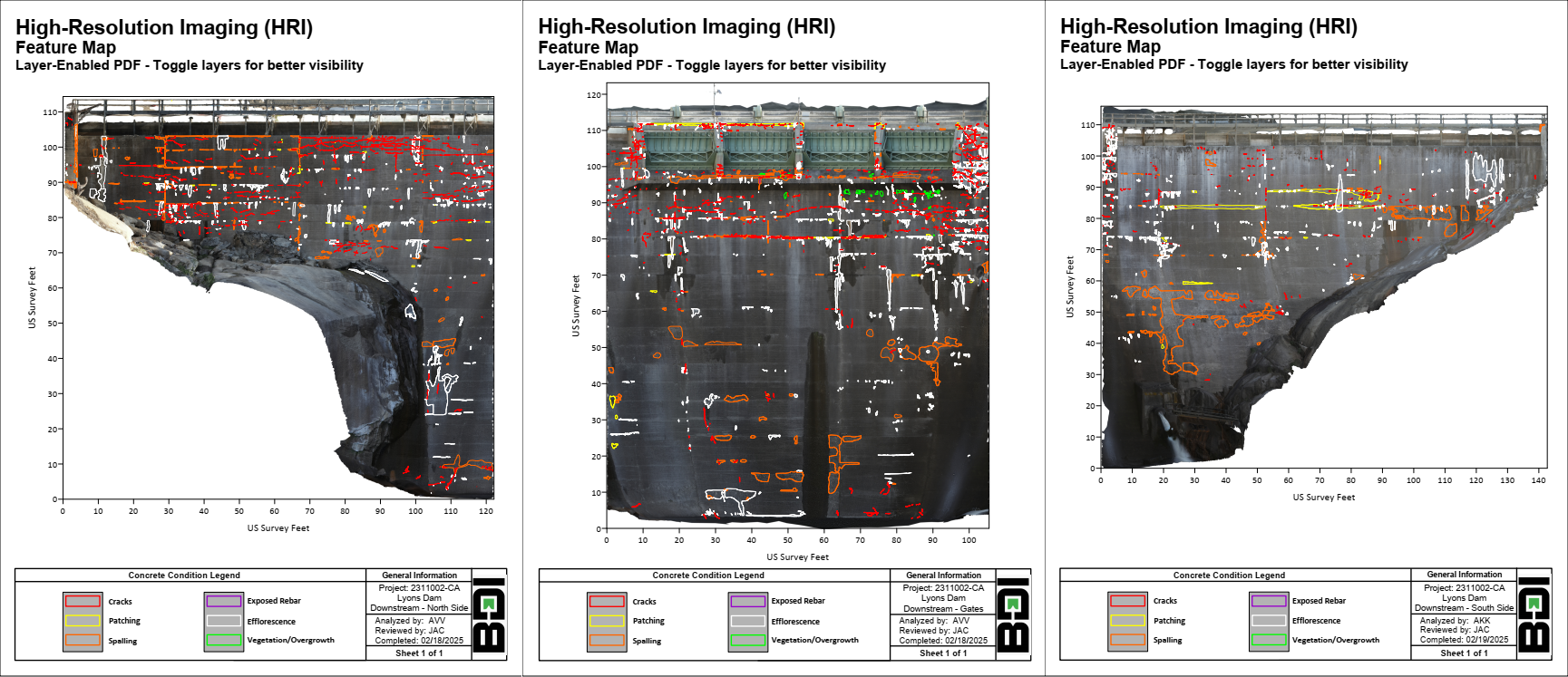
Leveraging high-resolution, high-speed cameras mounted on drones and vehicles combined with AI-enabled photogrammetry platforms, BDI can generate 2D orthophoto and 3D renderings of concrete structures to provide context for other services as well as to measure and map defects such as spalls, cracks, exposed reinforcement, and patching with automation.

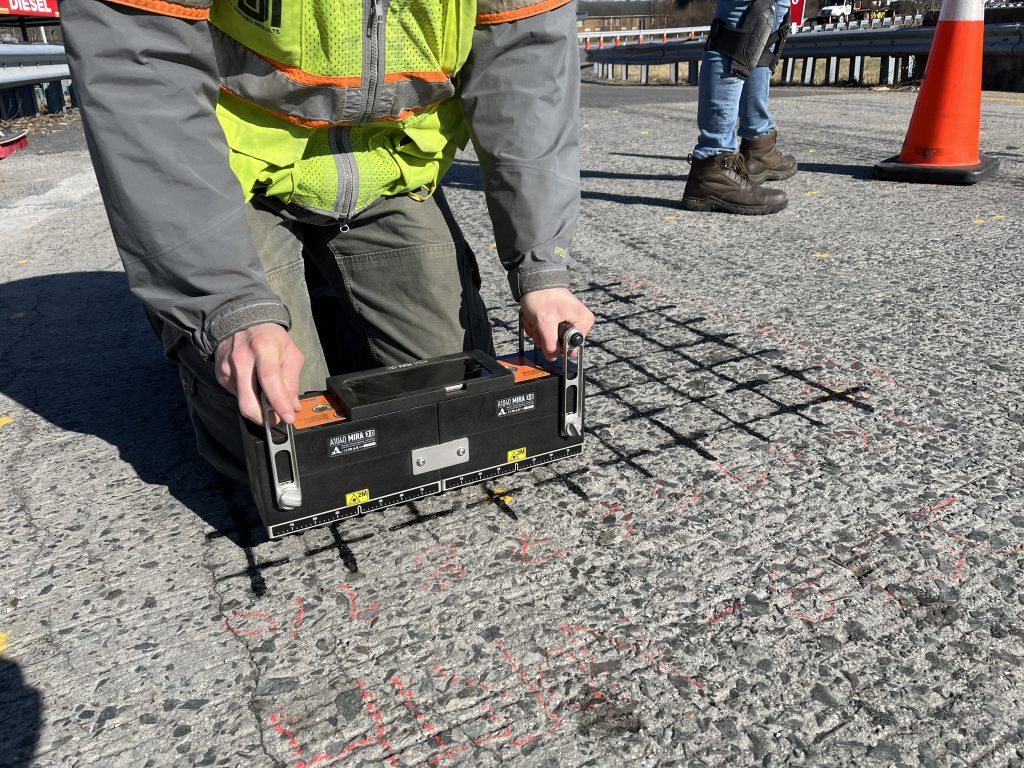
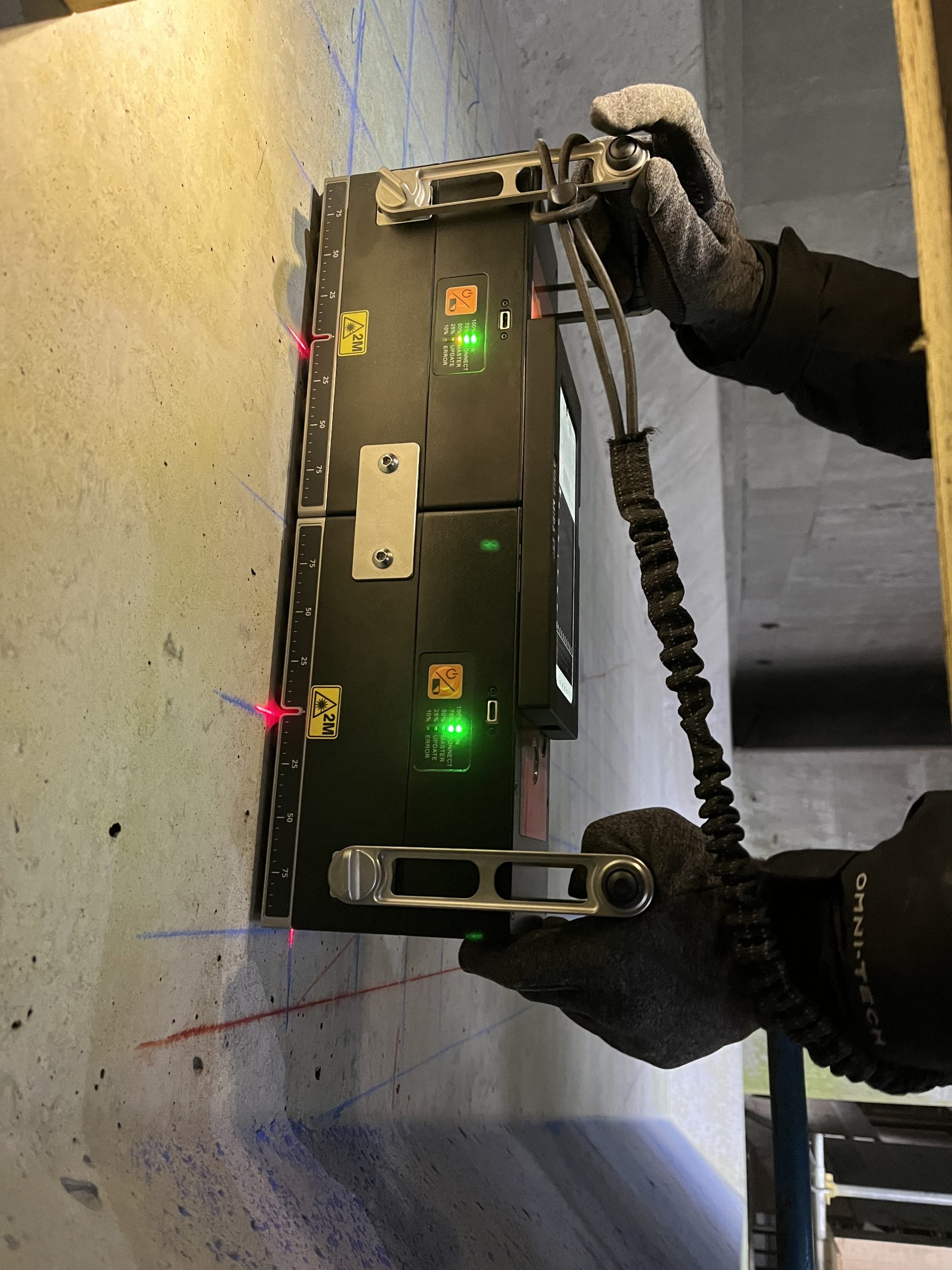
By directing ultrasonic waves from an array of dry-coupled transducers into concrete, the response can be measured by that array to generate a 2D/3D profile scan that allows for the measurement and mapping of subsurface features such as voids, concrete thickness, and other targets of interest.

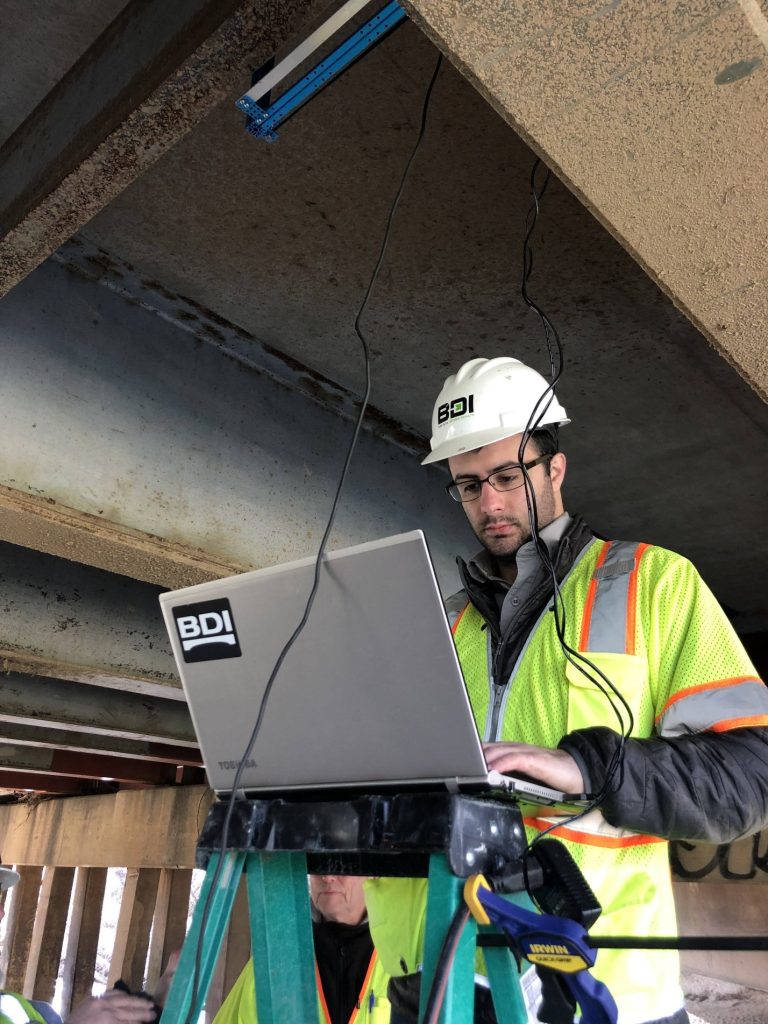
By directing an ultrasonic wave from a single transmitter into concrete, the response can be measured by a single receiver, where the configuration of the transmitter and receiver allows for measurement of concrete thickness, concrete continuity, crack depth, and compressive wave speed.

After connecting a test probe to a single exposed point on the steel reinforcement for a section of concrete, a half-cell probe can be used to measure the corrosion potential of the reinforcement through the concrete to generate a map of locations at which steel may be corroding.

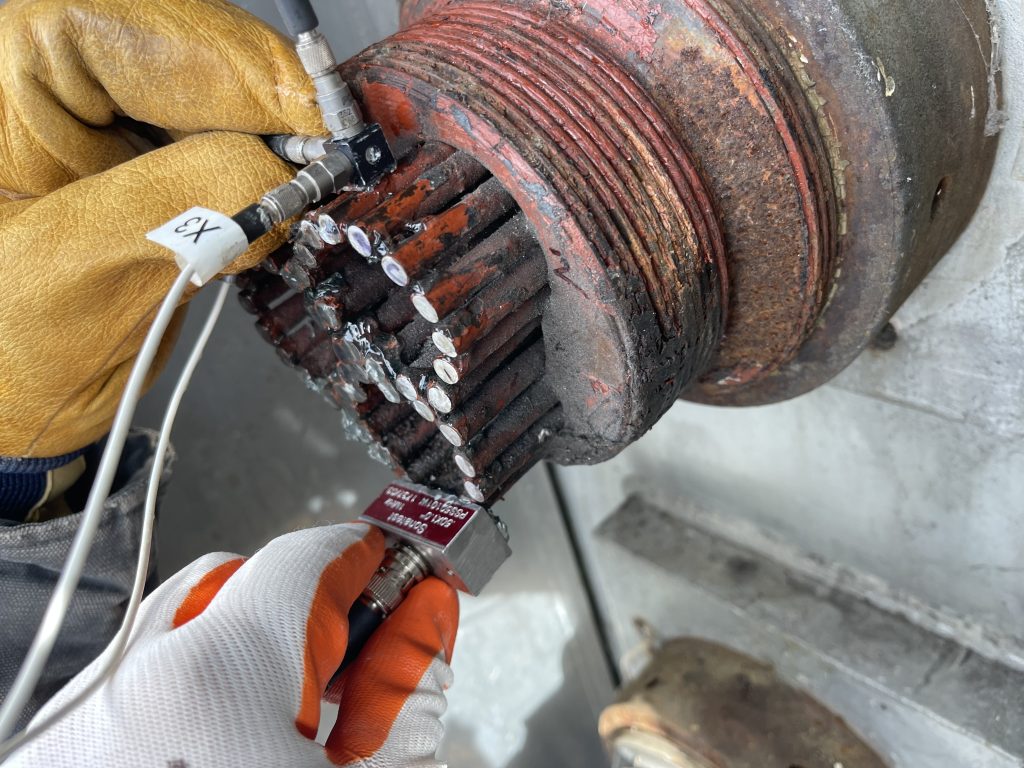
By inducing an impact in a given concrete structure, the response can be gathered by an attached accelerometer to measure concrete dimensions, defects, and other features based on the reflections identified in the collected signals. Multiple tests may be taken along a grid to map out variations in dimensions or localize defects.

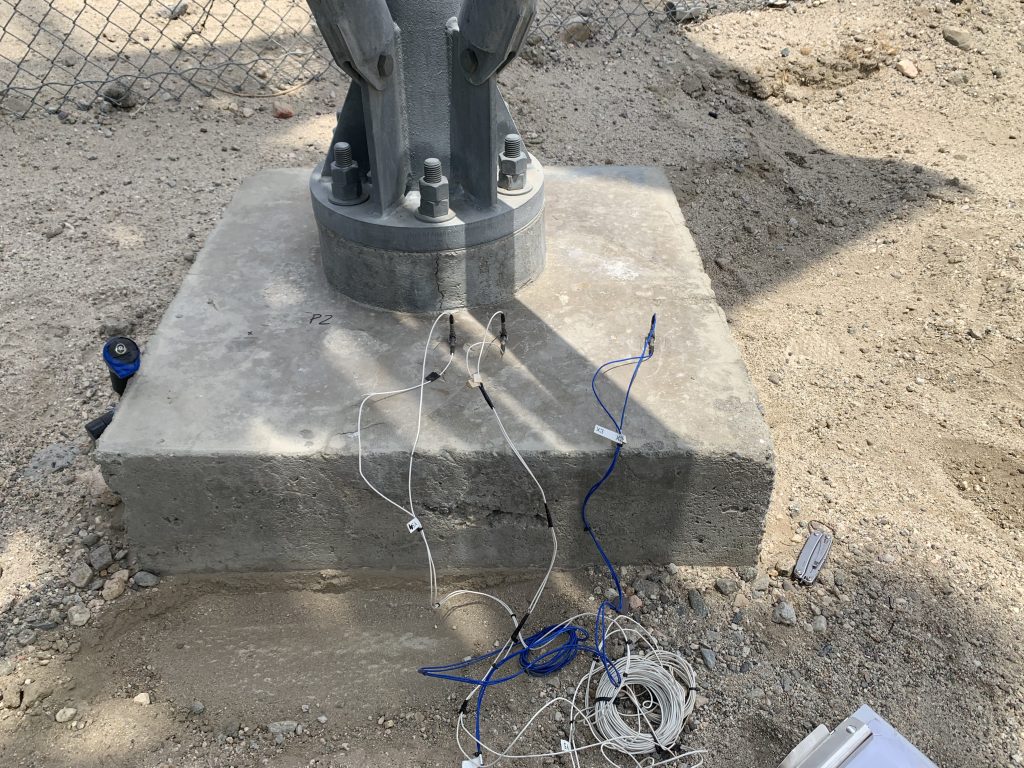
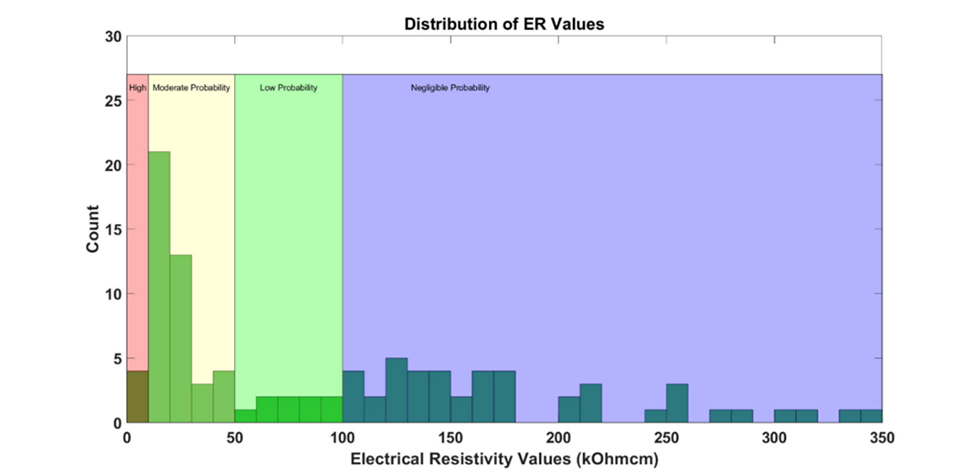
Using a four-point Wenner probe, the electrical resistivity of the concrete can be measured along test points on a grid to give an indication of possible corrosion taking place at the steel reinforcement.

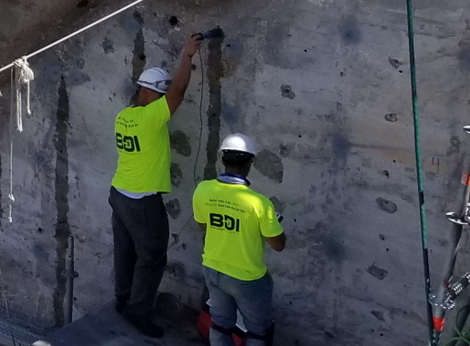
BDI utilizes a powder sample collection method developed in-house to gather concrete powder samples at varying depths within a concrete slab to measure chloride concentration at each depth to determine their ingress and possible impact on the steel reinforcement.

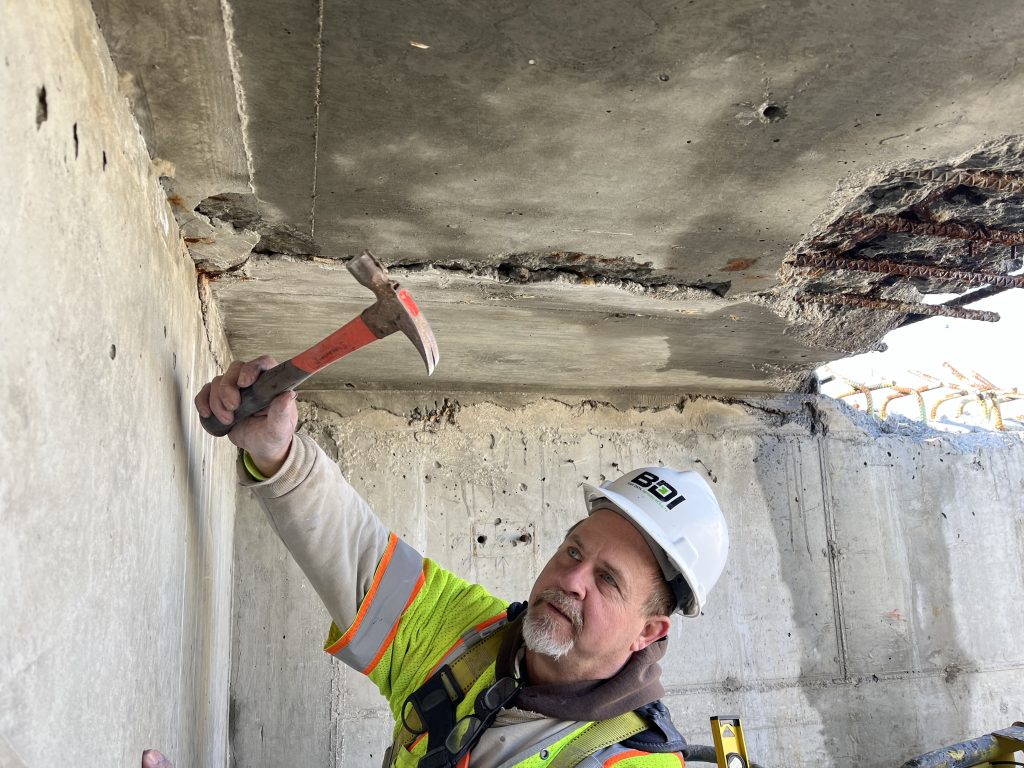
Hammer sounding and chain drag represent traditional industry standard techniques for surveying concrete by tapping it with a hammer or dragging a chain over it to identify locations with a hollow audible response that indicates delamination.

Visual inspection leverages the expertise and acuity of an experienced technician in evaluating the accessible surface condition of concrete to identify defects and other features of interest. BDI performs this service in line with the standards and definitions laid out by a variety of industry sources (AASHTO MBEI, NBI/SNBI, ACI).

Ground Penetrating Radar (GPR)

Electromagnetic Methods

Crosshole Sonic Logging (CSL)
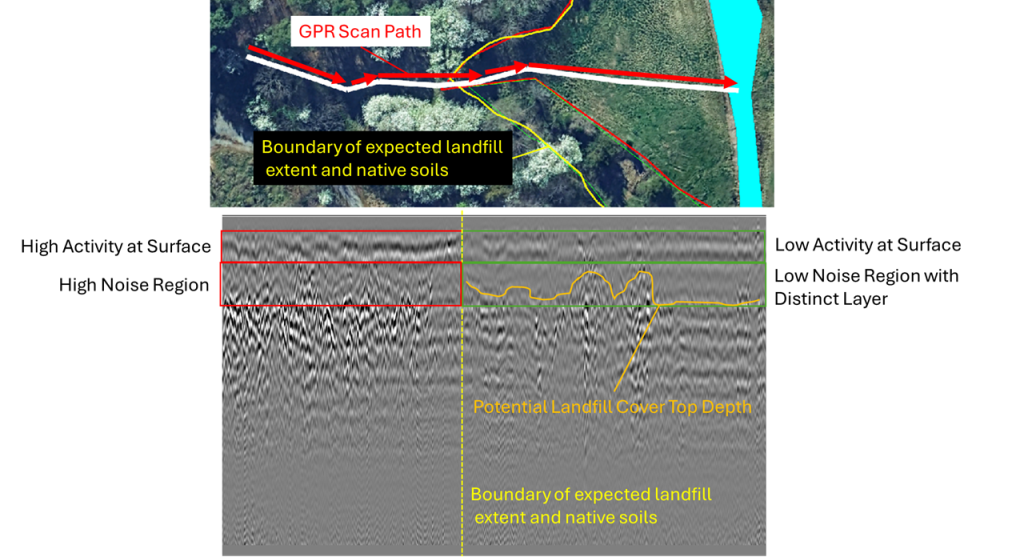
By directing an electromagnetic wave into soil and measuring the response, features such as voids, water, debris, and other features of interest can be detected. This work is often completed in scans on a test grid to generate a 3D view of the features and their depth with GPS-encoding allowing for actionable mapping. BDI has developed its own ASNT TC-1A certification program for its GPR professionals and deploys a variety of different technology platforms depending on the speed, precision, or depth of testing needed.

By directing a low-frequency electrical field pulse into soil, the response can be measured to locate subsurface anomalies and map layers. This tool is typically used for surveying purposes over large areas.

Ultrasonic Testing (UT)

Phased Array Ultrasonic Testing (PAUT)

Magnetic Particle (MT)

Magnetic Flux Leakage (MFL)

Acoustic Differential Method
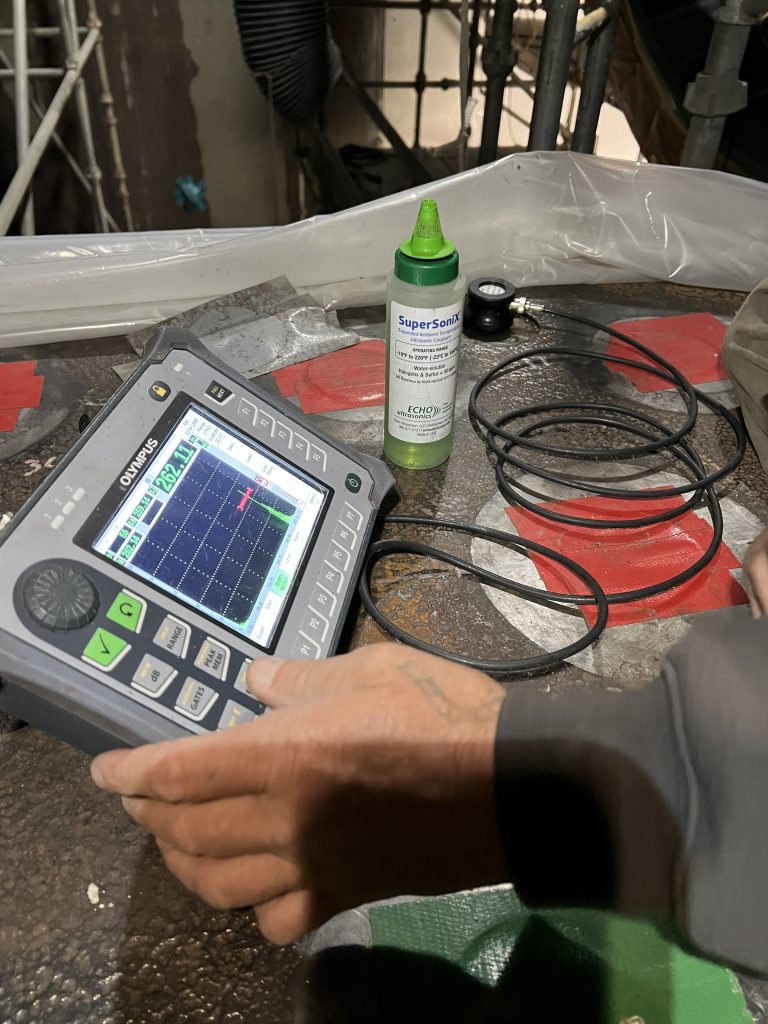
By directing an ultrasonic wave from a single transducer into steel, the response can be collected by that same transducer to measure the steel plate thickness, rod length, and presence/depth of any defects such as cracks or voids within the steel.

By applying a strong magnetic field to steel and steel cables, locations at which magnetic flux leakage is detected tend to indicate discontinuities, corrosion, breaks, and notches.

By inducing an impact in an anchor rod and measuring the response using a sensor array developed by BDI, the compressive and shear wave velocities of the rod can be calculated and then combined with known material/geometric properties of the rod to estimate the tension in the rod.

Sonic Echo-Impulse Response (SE-IR)

Ultraseismic Testing (US)

Parallel Seismic Testing (PS)
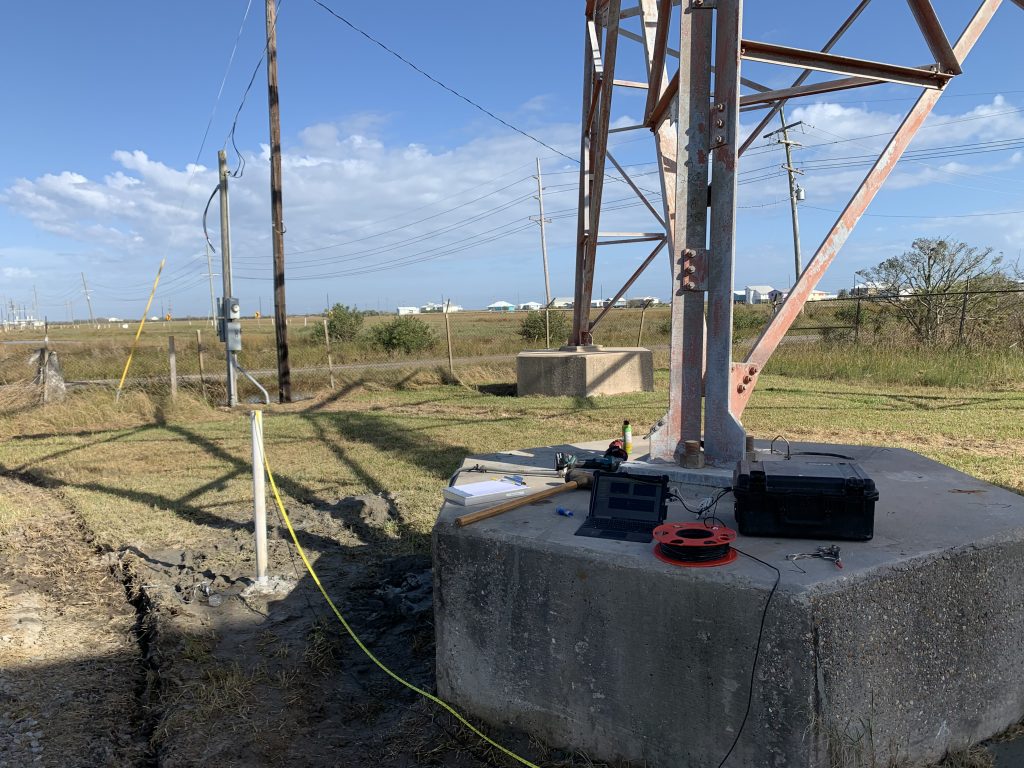
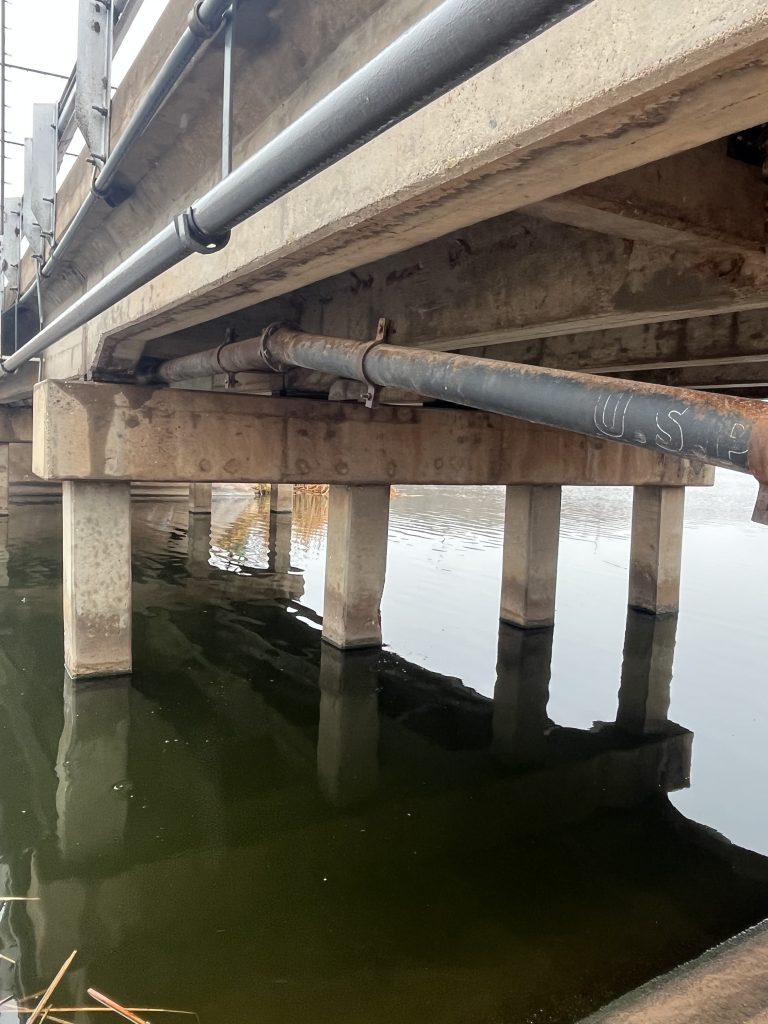
By drilling a water-filled, PVC-lined borehole parallel to a given structure embedded in soil, a sensor can be incrementally lowered beside the structure as the structure is impacted to measure the time required for the vibration to travel from the structure to the sensor. Analysis of this travel time can be used to measure the embedded depth of the structure.

What We Deliver

Beyond standard narrative reporting and conclusions, BDI provides:

Innovative Solutions

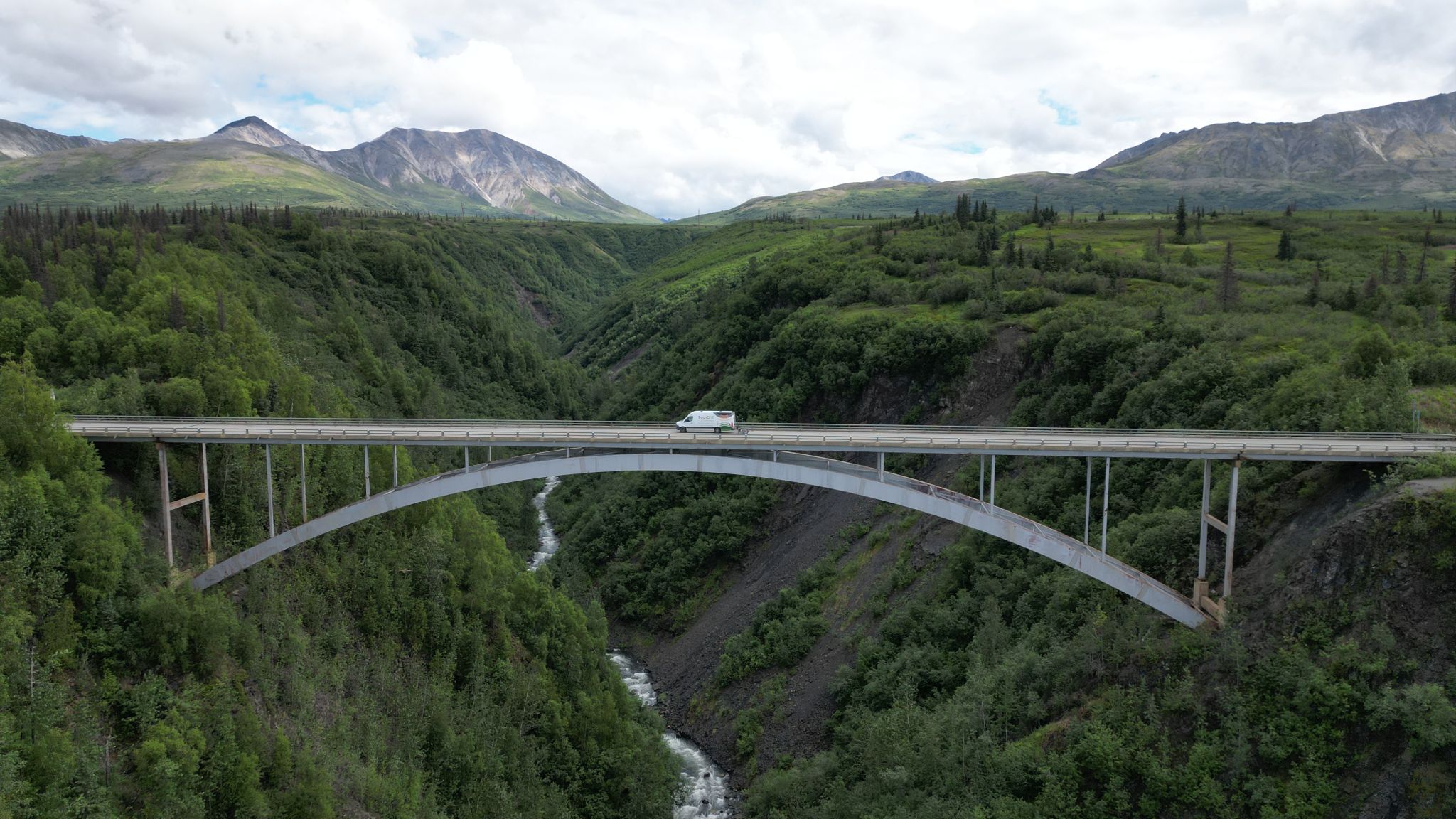
Aerial imaging, vehicle-based NDE scanning, and traditional testing methods are strategically combined to deliver quantitative information for improved asset management.
1_SounDAR

Retain legacy content

Multi-Technology Approach to Bridge Deck NDE

Retain legacy content

High-Resolution Imaging – Automated Feature Classification

Leveraging high-resolution, high-speed cameras mounted on drones and vehicles combined with AI-enabled photogrammetry platforms, BDI can generate 2D orthophoto and 3D renderings of concrete structures to provide context for other services as well as to measure and map defects such as spalls, cracks, exposed reinforcement, and patching with automation.

Post-Tensioned Duct Void NDE

BDI has developed a high-resolution approach to evaluating the condition of post-tensioned ducts based on the detection of voids in the grout using a combination of ultrasonic tomography and impact-echo, having performed these services at scale on over 100,000 linear feet of concrete girders.

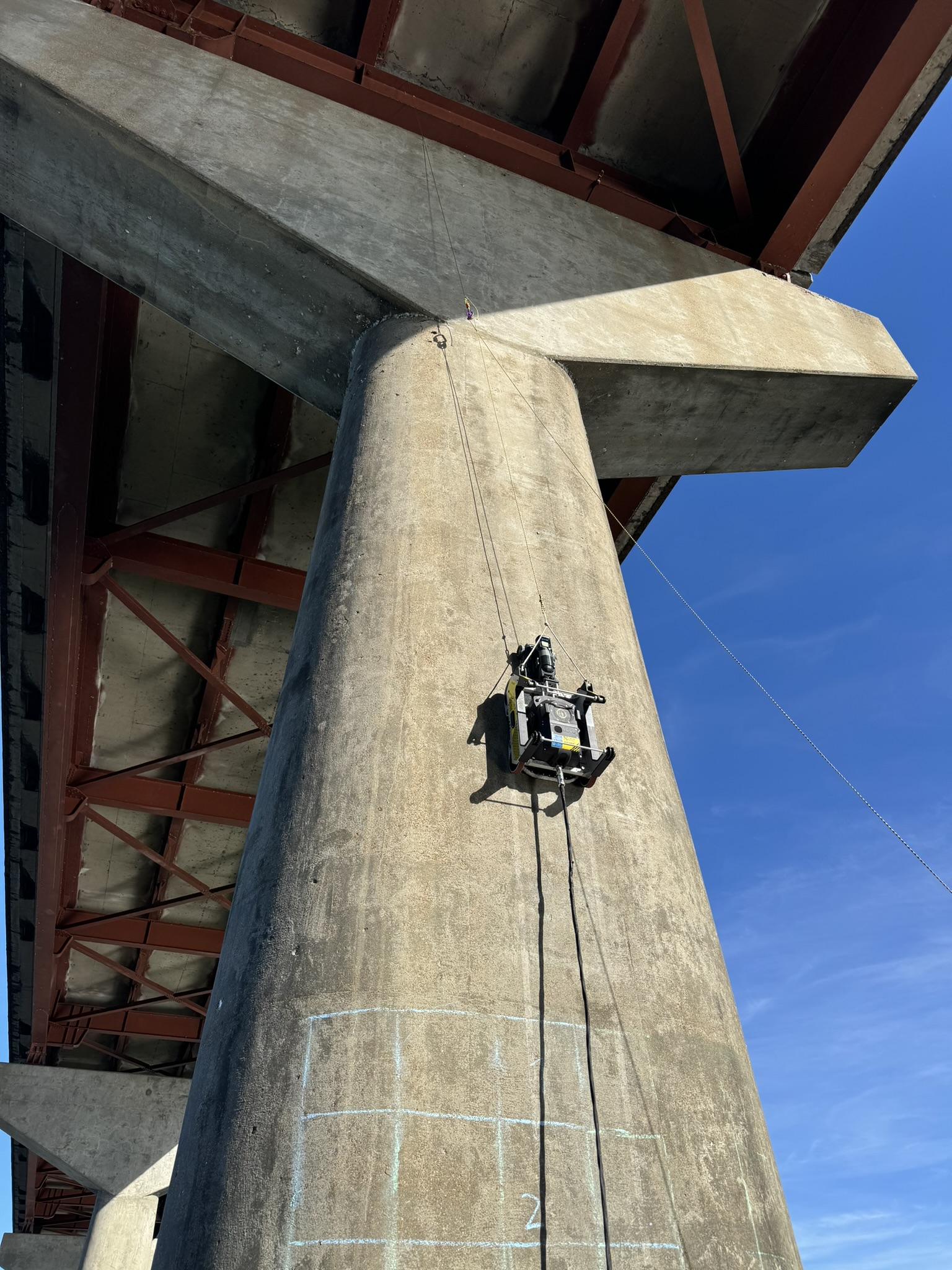
Climbing Robot Inspections

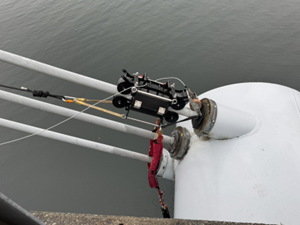
BDI can perform remote, unmanned NDE inspections using a climbing robot for difficult to access areas. Where a boom lift or under-bridge platform is needed but challenging to use, BDI can deploy the latest state-of-the art climbing robot to perform NDE inspections.

Anchor Rod Testing

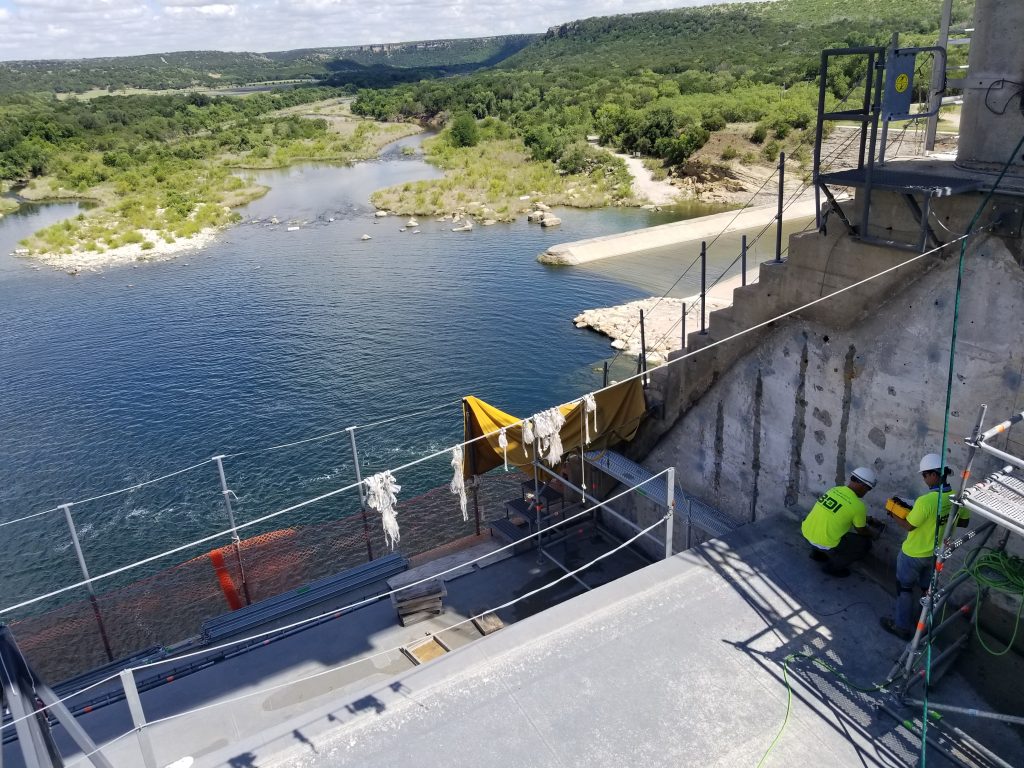
Using a combination of industry standard ultrasonic methods and ADM, BDI has developed a robust set of procedures of evaluating the condition, configuration, and tension on dam anchor rods.

Structural and Subsurface Spillway Inspection Services

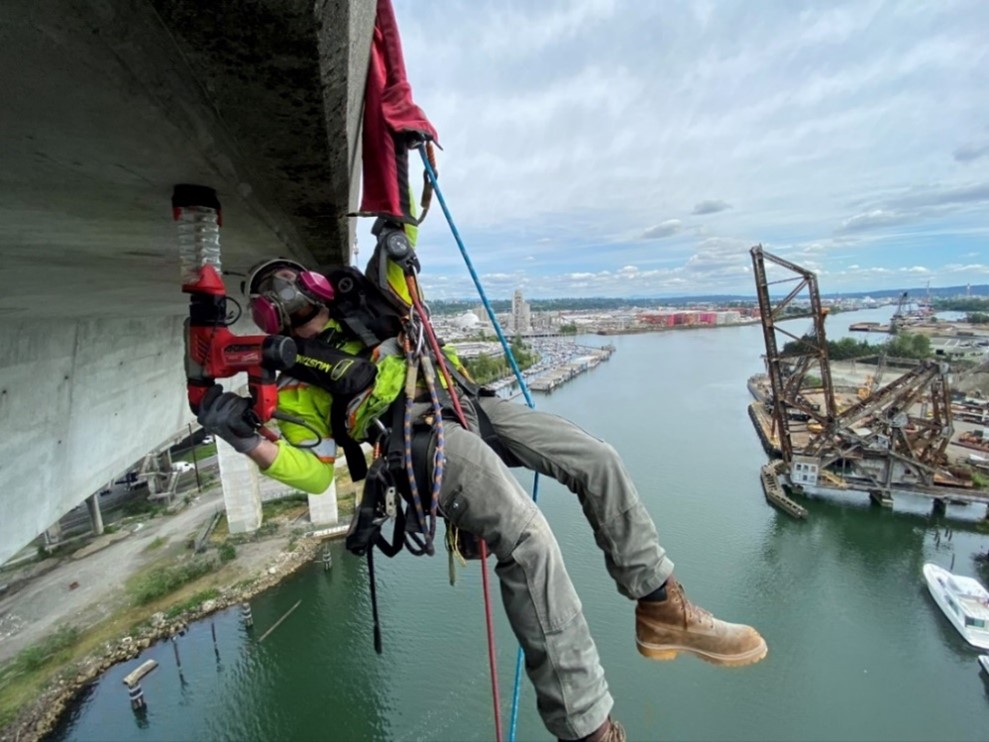
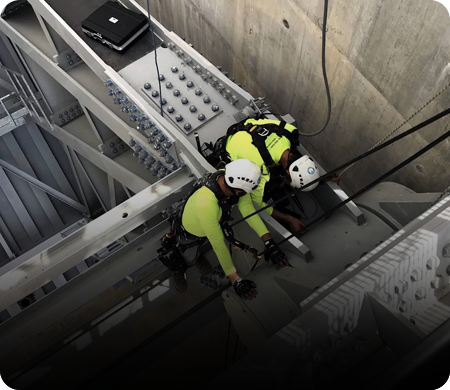
Retain legacy content. Add: BDI often utilizes SPRAT certified rope access technicians to perform inspections.

Contact Us With Any Questions

Bridge Diagnostics, Inc. ensures non-discrimination in all programs and activities in accordance with Title VI of the Civil Rights Act of 1964. If you need more information or special assistance for persons with disabilities or limited English proficiency, contact our office at +1.303.494.3230 Ext. 116

Please enter your name.
Please enter a valid phone number.
Please enter a message.