


Ultrasonic Testing (UT)
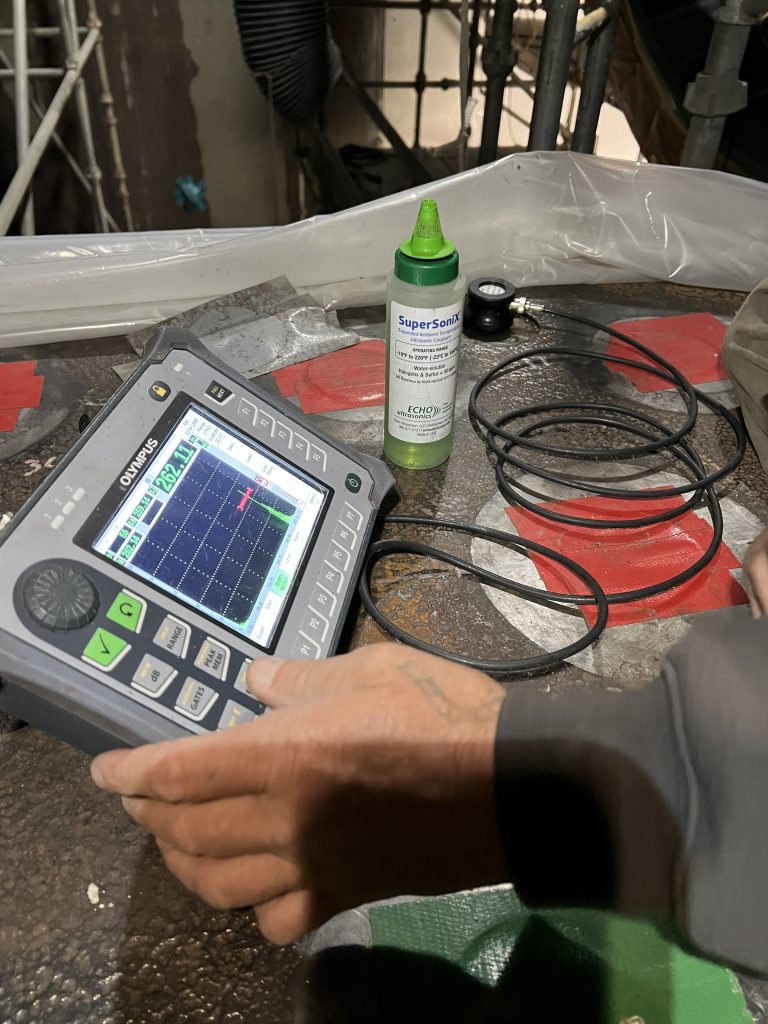
By directing an ultrasonic wave from a single transducer into steel, the response can be collected by that same transducer to measure the steel plate thickness, rod length, and presence/depth of any defects such as cracks or voids within the steel.
Read MoreVisual Inspection
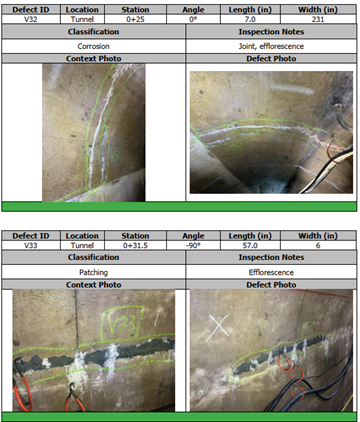
Visual inspection leverages the expertise and acuity of an experienced technician in evaluating the accessible surface condition of concrete to identify defects and other features of interest. BDI performs this service in line with the standards and definitions laid out by a variety of industry sources (AASHTO MBEI, NBI/SNBI, ACI).
Read MoreHammer Sounding & Chain Drag
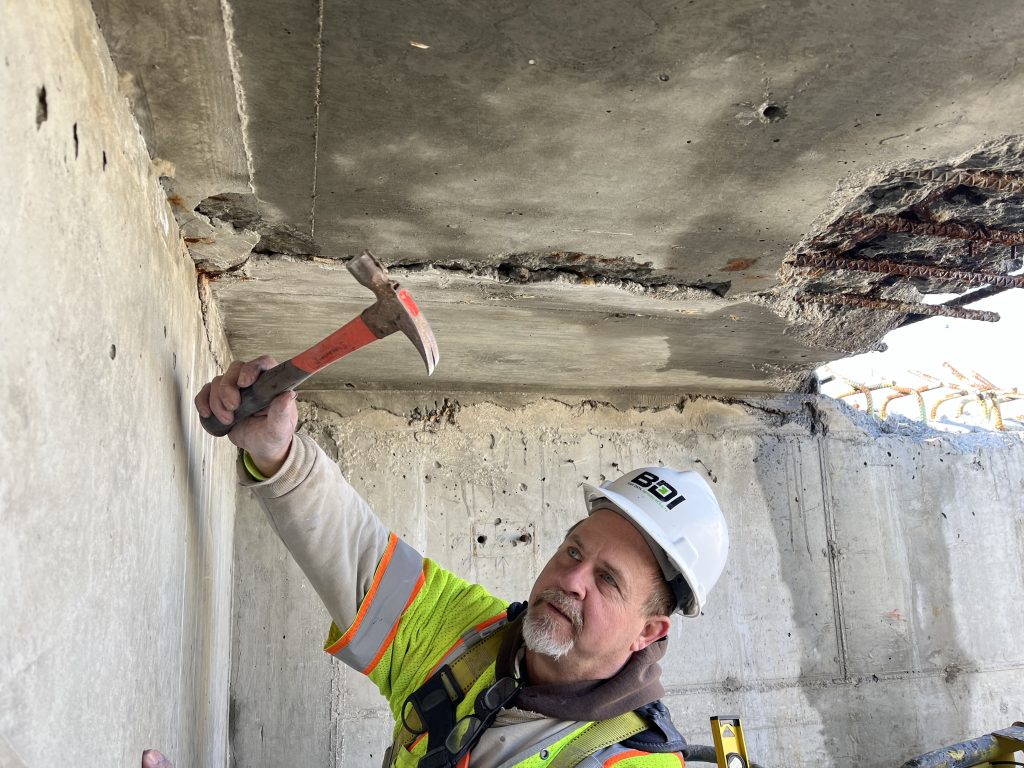
Hammer sounding and chain drag represent traditional industry standard techniques for surveying concrete by tapping it with a hammer or dragging a chain over it to identify locations with a hollow audible response that indicates delamination.
Read MoreRapid Chloride Testing (RCT)
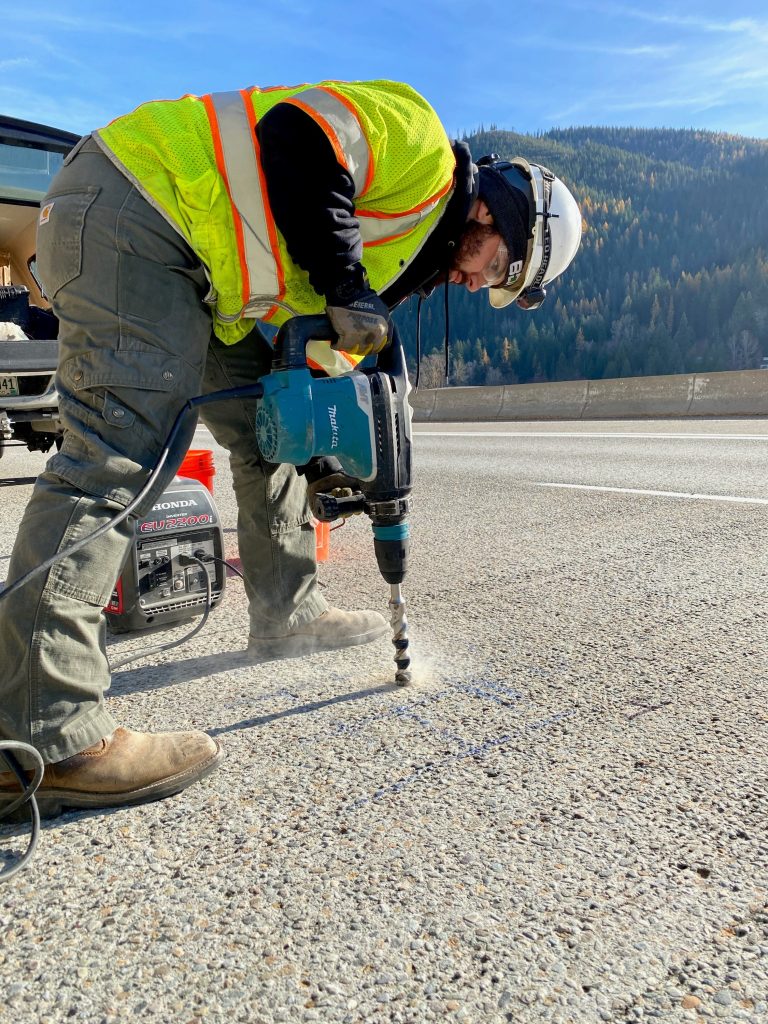
BDI utilizes a powder sample collection method developed in-house to gather concrete powder samples at varying depths within a concrete slab to measure chloride concentration at each depth to determine their ingress and possible impact on the steel reinforcement.
Read MoreElectrical Resistivity Testing (ER)
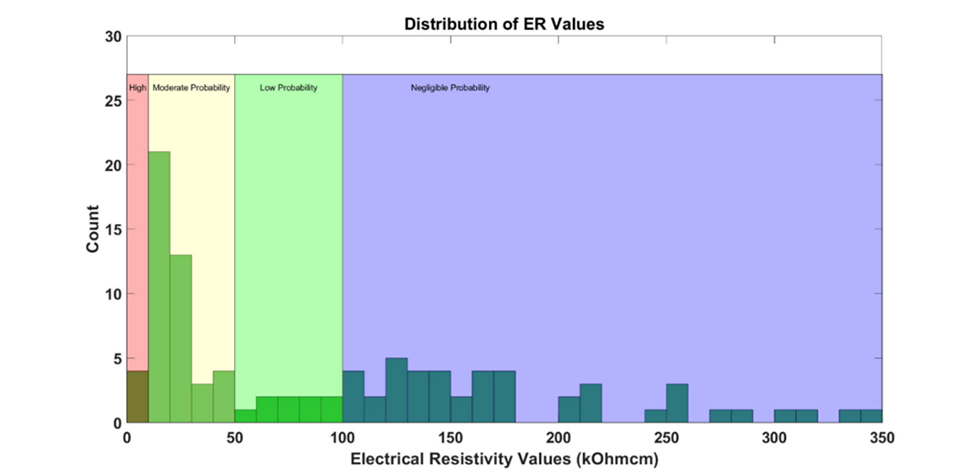
Using a four-point Wenner probe, the electrical resistivity of the concrete can be measured along test points on a grid to give an indication of possible corrosion taking place at the steel reinforcement.
Read MoreHalf Cell Potential Testing (HCP)
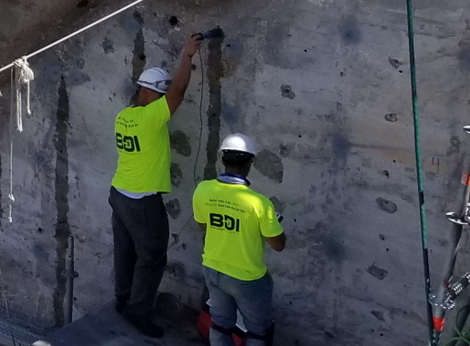
After connecting a test probe to a single exposed point on the steel reinforcement for a section of concrete, a half-cell probe can be used to measure the corrosion potential of the reinforcement through the concrete to generate a map of locations at which steel may be corroding.
Read MoreSonic Echo-Impulse Response (SE-IR)
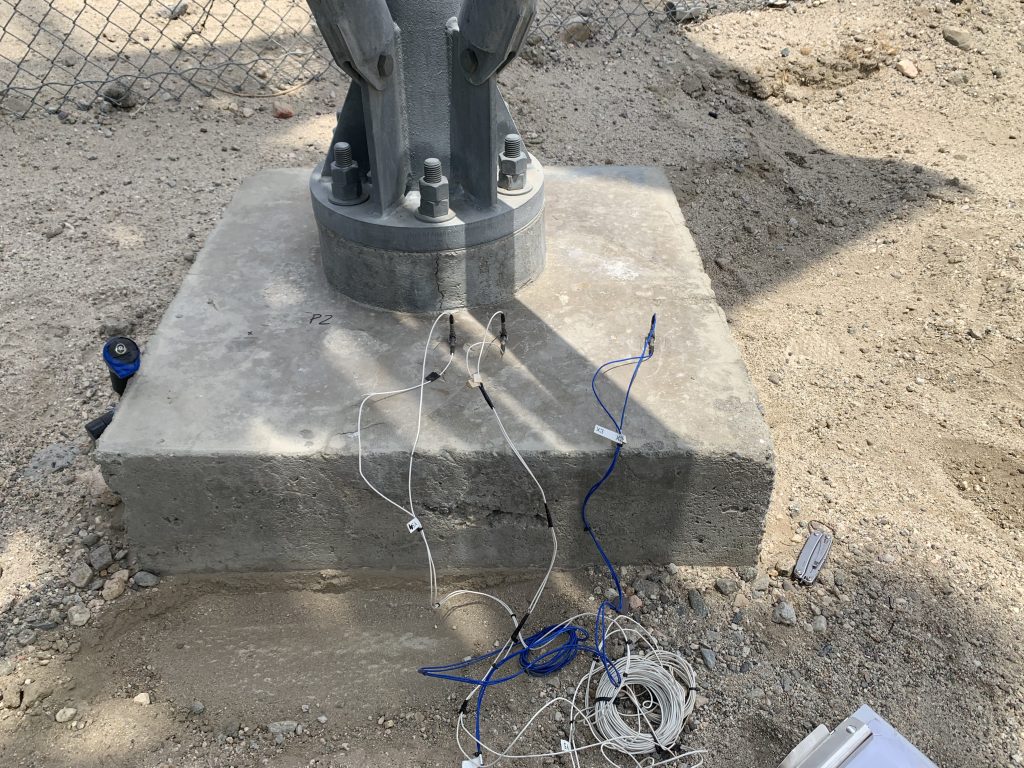
By inducing an impact in a given concrete structure, the response can be gathered by an attached accelerometer to measure concrete dimensions, defects, and other features based on the reflections identified in the collected signals. Multiple tests may be taken along a grid to map out variations in dimensions or localize defects.
Read MoreUltrasonic Pulse Velocity (UPV)
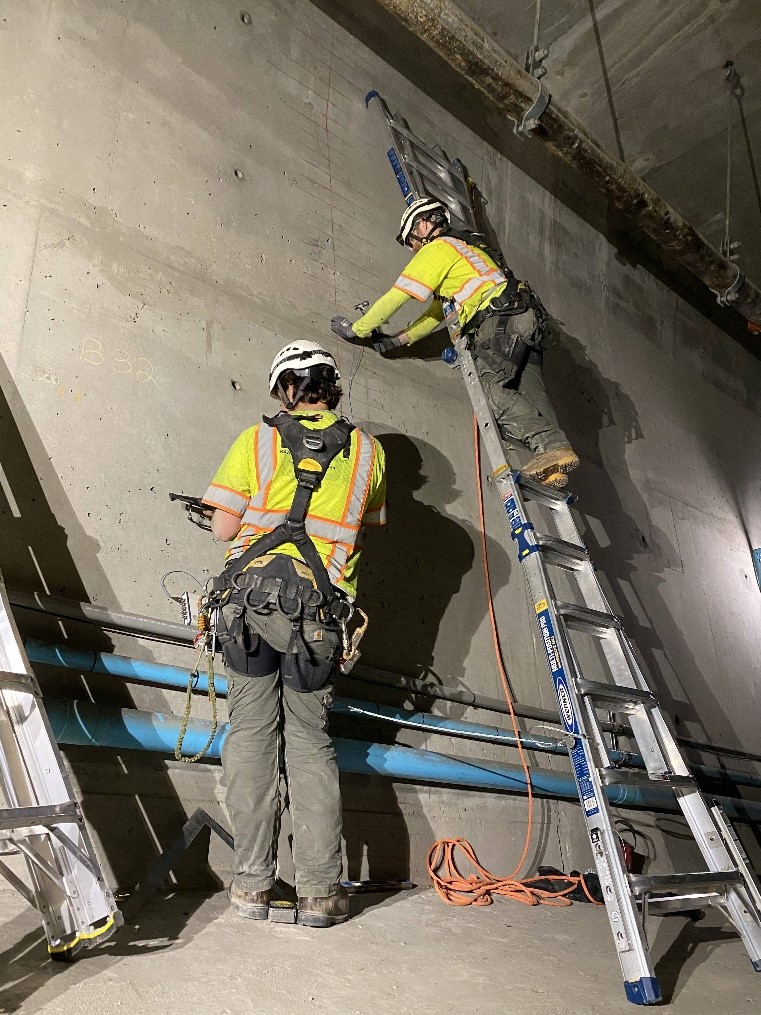
By directing an ultrasonic wave from a single transmitter into concrete, the response can be measured by a single receiver, where the configuration of the transmitter and receiver allows for measurement of concrete thickness, concrete continuity, crack depth, and compressive wave speed.
Read MoreUltrasonic Tomography (MIRA)
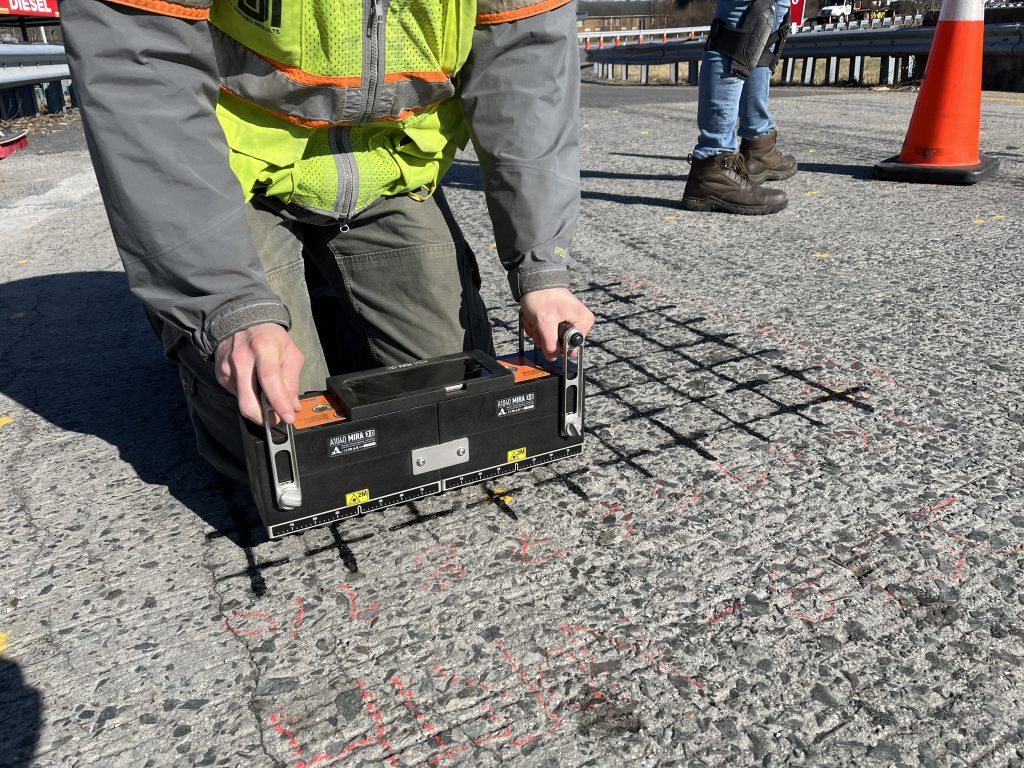
By directing ultrasonic waves from an array of dry-coupled transducers into concrete, the response can be measured by that array to generate a 2D/3D profile scan that allows for the measurement and mapping of subsurface features such as voids, concrete thickness, and other targets of interest.
Read MoreHigh-Resolution Imaging (HRI)
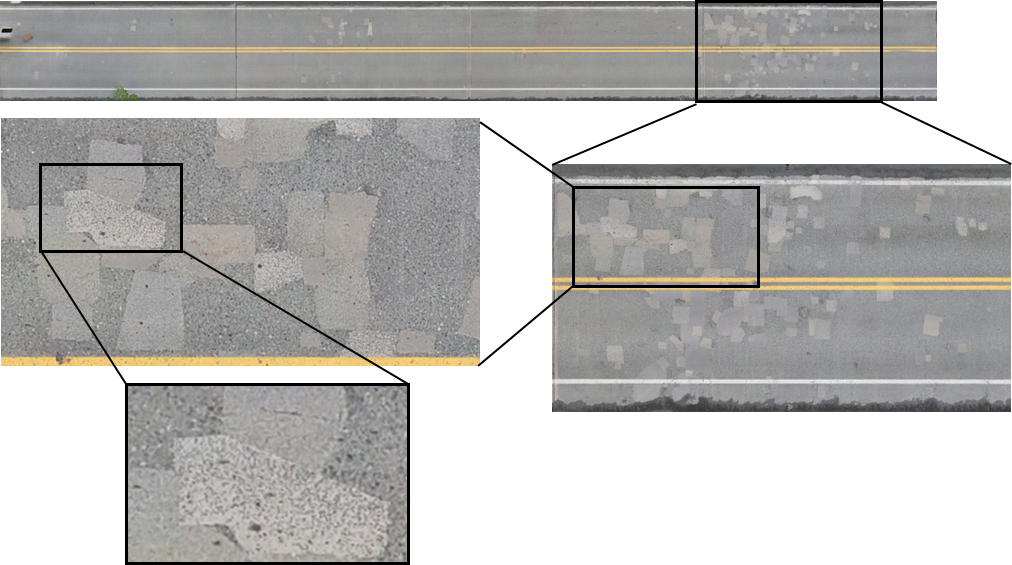
Leveraging high-resolution, high-speed cameras mounted on drones and vehicles combined with AI-enabled photogrammetry platforms, BDI can generate 2D orthophoto and 3D renderings of concrete structures to provide context for other services as well as to measure and map defects such as spalls, cracks, exposed reinforcement, and patching with automation.
Read More